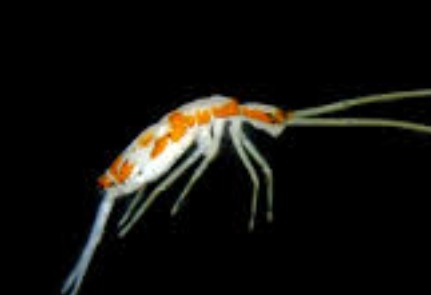
- Scientists at the Zoological Survey of India (ZSI) have announced the discovery of two new Collembola (springtail) species—Salina aurantiamaculata and Salina pseudomontana—adding to India’s biodiversity record after more than 40 years.
- Salina aurantiamaculata is notable for its bright orange markings, a rare pigment pattern among its peers, while Salina pseudomontana closely resembles the previously known Salina montana.
- Both species belong to the cosmopolitan “celebensis” group of Collembola.
- Collembola, commonly called springtails, are among the oldest land-dwelling hexapods, dating back hundreds of millions of years.
- They thrive in leaf litter, decaying wood, and soil, quietly performing crucial ecological roles.
- They help improve soil structure, aid nutrient cycling, and act as indicators of ecosystem health, making them valuable for monitoring pollution, climate change, and agricultural sustainability.
- The last recorded discovery of a Salina species in India was in 1979. With these new additions, India’s tally of Salina species rises to 17, highlighting the ongoing significance of taxonomic research in understanding and preserving biodiversity.
Limited-time offerGet up to 75% OFFGrab the offer
ZSI Discovers Two New Springtail Species in India: Salina aurantiamaculata and Salina pseudomontana
After Over Four Decades, India’s Collembola Diversity Increases to 17 Species
Check your eligibility now