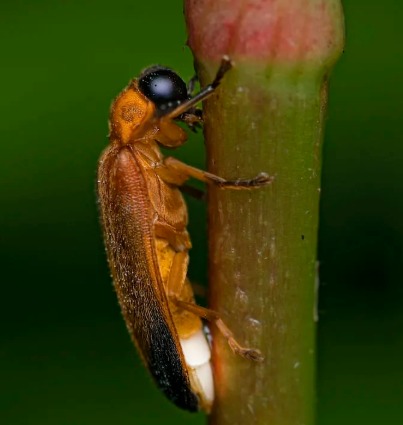
- A team of lepidopterists has discovered and described a new butterfly species in the Western Ghats, naming it Zographetus mathewi, with the common name proposed as the Sahyadri Spotted Flitter.
- This discovery highlights the rich biodiversity of the Western Ghats and adds to India’s growing record of endemic species.
- The butterfly belongs to the family Hesperiidae, commonly known as skipper butterflies, and falls under the genus Zographetus Watson.
- With this addition, the genus now comprises 15 species worldwide, of which five are recorded in India. Zographetus mathewi is endemic to the low-elevation forests of Kerala in the Sahyadri ranges of the Western Ghats, making it a rare and regionally significant species.
- Morphologically, the Sahyadri Spotted Flitter is placed within the Zographetus satwa species-group and can be distinguished through several unique characteristics.
- It exhibits distinct wing venation patterns, swollen forewing veins in males, and a basal hair tuft on the underside of the forewing.
- The hindwing underside is marked with yellow-ochre scaling, while the genitalia of both males and females present unique structures that clearly set the species apart from its close relatives.
- Butterflies such as Zographetus mathewi are not just visually striking but play an important role in ecosystems.
- They act as pollinators, assisting in plant reproduction, while also serving as prey for birds and other species in the food chain. By aiding in biological pest control and inducing genetic variation in plants, they contribute to ecological balance.
- Moreover, butterflies are considered environmental indicators, reflecting the health of ecosystems, and they enhance biodiversity while adding to the natural beauty of their habitats.
- The discovery of Zographetus mathewi underscores the ecological richness of the Western Ghats and the need to preserve fragile forest ecosystems that sustain such endemic life forms.
Limited-time offerGet up to 75% OFFGrab the offer
Zographetus mathewi: New Butterfly Species Discovered in Western Ghats
Lepidopterists identify a new skipper butterfly endemic to Kerala's low-elevation forests
Check your eligibility now