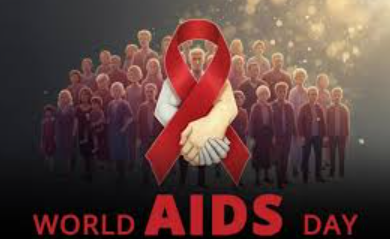
- India has expanded HIV awareness across rural areas through sustained government campaigns, ASHA-led outreach and school-level education. While communication efforts have grown stronger, social stigma continues to restrict testing, early diagnosis and timely access to treatment—slowing progress in the fight against HIV.
- भारत ने सरकारी अभियानों, आशा कार्यकर्ताओं की पहल और स्कूल-स्तरीय जागरूकता कार्यक्रमों के माध्यम से ग्रामीण क्षेत्रों में HIV संबंधी जानकारी को काफी बढ़ाया है। हालांकि संचार और जागरूकता में बढ़ोतरी हुई है, लेकिन सामाजिक कलंक आज भी जांच, समय पर निदान और उपचार तक पहुंच को सीमित करता है—जिससे HIV के खिलाफ प्रगति धीमी हो जाती है।
- Rural households today have significantly better exposure to information about HIV transmission and prevention. ASHA workers, school programmes and digital initiatives have helped open conversations that were once taboo. Yet, higher awareness has not led to equally high testing rates, as stigma continues to operate deeply through social norms and community pressures.
- ग्रामीण परिवारों को अब HIV संक्रमण और रोकथाम से जुड़ी जानकारी पहले से कहीं अधिक आसानी से मिल रही है। आशा कार्यकर्ताओं, स्कूल कार्यक्रमों और डिजिटल अभियानों ने उन विषयों पर बात शुरू करवाई है जो पहले वर्जित माने जाते थे। फिर भी बढ़ी हुई जागरूकता जांच दरों में समान बढ़ोतरी नहीं कर पाई है, क्योंकि सामाजिक मान्यताओं और समुदाय के दबाव में जड़ें जमाए कलंक अब भी मजबूत बना हुआ है।
- Fear of being recognised at local clinics discourages many villagers from seeking HIV screening. Confidentiality is difficult to maintain in small communities with limited health infrastructure, pushing young adults, migrant workers and married women to postpone testing. Such delays often lead to late diagnosis, increasing risks of complications and further transmission.
- स्थानीय क्लीनिकों में पहचान हो जाने का डर कई ग्रामीणों को HIV जांच कराने से रोकता है। सीमित स्वास्थ्य सुविधाओं वाले छोटे समुदायों में गोपनीयता बनाए रखना चुनौतीपूर्ण होता है, जिससे युवाओं, प्रवासी मजदूरों और विवाहित महिलाओं सहित कई लोग जांच टाल देते हैं। इस देरी के कारण अक्सर देर से निदान होता है, जिससे जटिलताओं और संक्रमण के फैलाव का खतरा बढ़ जाता है।
- Even though teleconsultation services and online health tools have expanded, rural connectivity gaps and low digital literacy restrict their use. Many individuals avoid looking up HIV-related information on phones due to fears that family members might notice. Limited smartphone access among older adults and poor network quality further weaken digital outreach.
- हालांकि टेली-कंसल्टेशन और ऑनलाइन स्वास्थ्य उपकरणों का विस्तार हुआ है, लेकिन ग्रामीण कनेक्टिविटी की कमी और कम डिजिटल साक्षरता इनके उपयोग में बाधा बनती है। कई लोग HIV से जुड़ी जानकारी फोन पर खोजने से भी हिचकते हैं, क्योंकि उन्हें परिवार के सदस्यों द्वारा देख लिए जाने का डर रहता है। बुजुर्गों के बीच सीमित स्मार्टफोन उपयोग और कमजोर इंटरनेट गुणवत्ता डिजिटल जागरूकता को और कठिन बना देती है।
Limited-time offerGet up to 75% OFFGrab the offer
World AIDS Day 2025: India’s Fight Against Stigma in Rural Regions
India has expanded HIV awareness across rural areas through sustained government campaigns, ASHA-led outreach and school-level education.
Check your eligibility now