
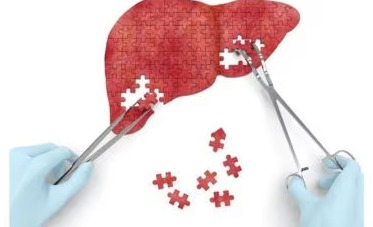
- The World Health Organization (WHO) has recently reclassified hepatitis D as cancerous, highlighting the urgent need to prevent viral hepatitis, which is emerging as a major public health crisis worldwide.
- Hepatitis D is a severe liver infection caused by the hepatitis D virus (HDV), an incomplete virus that requires hepatitis B virus (HBV) for replication.
- It affects only those already infected with hepatitis B, either simultaneously or subsequently, and significantly increases the risk of liver cirrhosis and cancer.
- Compared to hepatitis B alone, hepatitis B–D co-infection carries a two- to six-fold higher risk of liver cancer.
- Like hepatitis B and C, HDV spreads through injections and blood transfusions, mother-to-child transmission, and sexual contact.
- Universal hepatitis B vaccination indirectly prevents hepatitis
Vaccination schedules may include:
- Birth, 1 month, and 6 months
- Birth, 6 weeks, and 14 weeks
- 6, 10, and 14 weeks
- In catch-up cases: 0, 1, and 6 months. Adults in high-risk groups are advised to take three doses — the second after one month and the third six months later.
- WHO’s reclassification underscores the need for stronger vaccination drives and public health measures to curb the growing hepatitis burden.