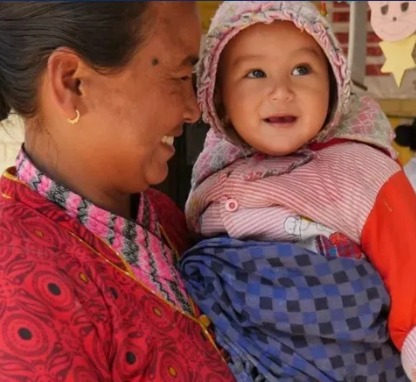
- The World Health Organization (WHO) has officially announced that Nepal has eliminated rubella as a public health problem, marking a significant achievement in global immunization efforts.
- Rubella, also known as German measles or three-day measles, is a highly contagious viral infection best recognized by its red rash.
- Although usually mild or asymptomatic in most people, rubella poses a grave risk to pregnant women. If contracted during early pregnancy, there is a 90% chance of passing the virus to the fetus, which can lead to miscarriage, stillbirth, or Congenital Rubella Syndrome (CRS). CRS can cause lifelong complications such as hearing impairment, heart defects, eye problems, and developmental disorders.
- Rubella is caused by the Rubella virus, an enveloped single-stranded RNA virus, and spreads through respiratory droplets or from mother to fetus.
- There is no specific treatment, but the measles-mumps-rubella (MMR) vaccine is safe, highly effective, and provides lifelong protection.
- Nepal’s milestone elimination highlights the crucial role of sustained vaccination campaigns and international collaboration in reducing preventable infectious diseases.
Limited-time offerGet up to 75% OFFGrab the offer
WHO Declares Nepal Free from Rubella as a Public Health Problem
Successful vaccination drives lead to elimination of the contagious viral infection linked to severe birth defects
Check your eligibility now