Why is it in the news?
→ India is witnessing rapid urbanisation shifting from megacities to small towns.
→ Article highlights drivers, impacts, government initiatives, and sustainability concerns of this transition.
Category: Geography
Important Points
- Out of nearly 9,000 census and statutory towns, only about 500 are large cities; most are small towns with a population under 1,00,000.
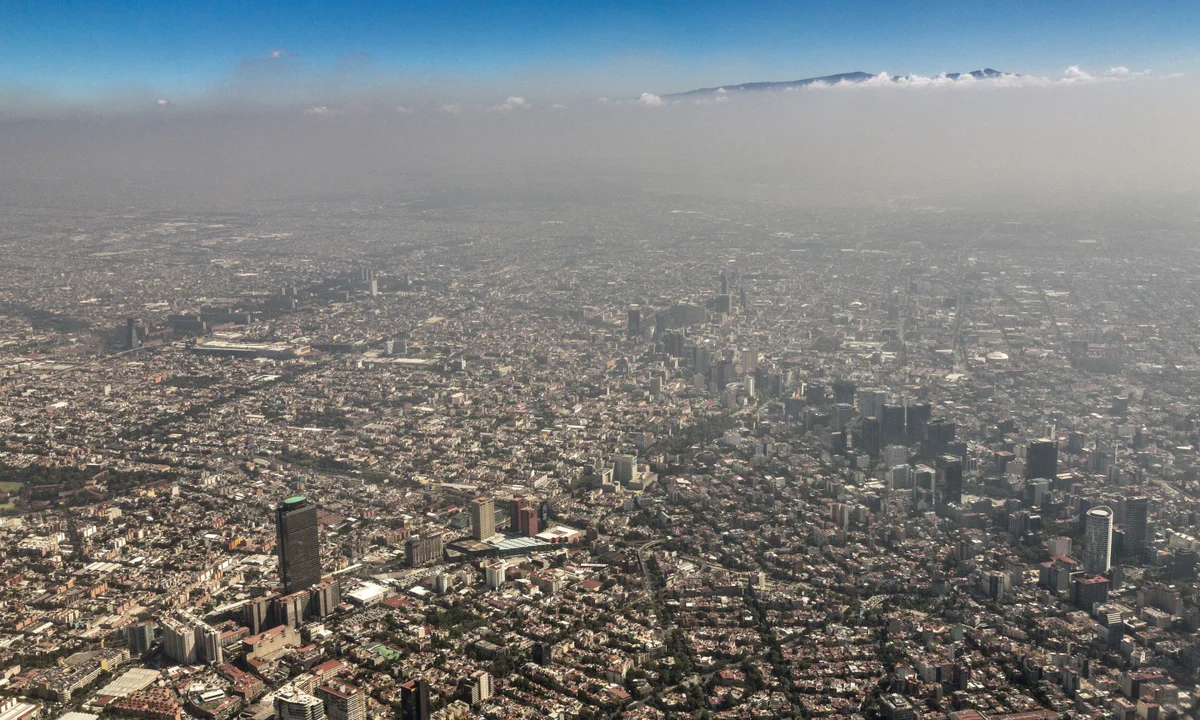
- Megacities like Delhi, Mumbai, and Bengaluru face saturation due to high land prices, congestion, and living costs.
- Small towns act as hubs for rural non-farm diversification (agro-processing, logistics, services).
- Examples of emerging small-town hubs include Sattenapalle (Andhra Pradesh), Dhamtari (Chhattisgarh), and Bongaigaon (Assam).
- Infrastructure enablers include PMGSY roads, state highways, BharatNet, and mobile connectivity.
- Policy support through Shyama Prasad Mukherji Rurban Mission and state industrial policies.
- Census 2011: Urban population 377 million (31.16% of total).
- UN DESA estimates ~36% urban population in 2025, projected ~50% by 2050.
- India expected to add over 20 crore new urban residents between 2025–2050.
- Urban areas contribute ~63% of GDP (NITI Aayog), projected >75% by 2030 and ~80% by 2050.
- Key schemes: Smart Cities Mission (100 cities), AMRUT 2.0, PMAY-Urban (1.22 crore houses sanctioned; PMAY-U 2.0 covers additional 1 crore families), DAY-NULM.
- Concerns include urbanisation of rural poverty, informal employment, governance deficits, lack of master plans, ecological stress, and infrastructure gaps (water, sewerage, SWM, stormwater).
- Suggested measures: statutory town notification, GIS-based master planning (SVAMITVA), convergence of AMRUT 2.0 + SBM-U 2.0 + Finance Commission grants, place-based economies (PMFME), and Rurban cluster approach.