- In a significant move for regional security, the United States and Japan announced the temporary deployment of the Typhon intermediate-range missile system in Japan as part of a joint military exercise.
- The decision reflects growing defense cooperation between the two allies amid evolving strategic challenges in the Indo-Pacific.
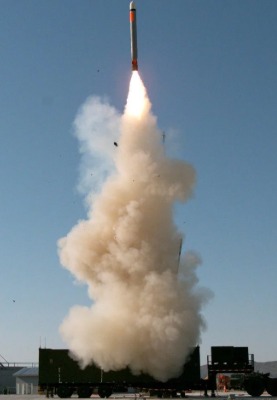
- The Typhon Missile System, also known as the Mid-Range Capability (MRC), is a highly versatile surface-to-surface weapon manufactured by U.S. defense firm Lockheed Martin. Built with a modular design, Typhon can fire multiple missile types, including the SM-6 and the Tomahawk cruise missile.
- The SM-6 provides engagement ranges beyond 320 kilometers, while the Tomahawk offers deep-strike capabilities up to 1,500 kilometers.
- Typhon is road-mobile, containerized, and highly survivable, giving U.S. and allied forces the ability to disperse precision-strike assets across different territories.
- This mobility ensures rapid deployment and targeting of both land and maritime threats in contested environments.
- Its dual capability makes it particularly effective for sea denial missions and precision land attacks, thereby strengthening deterrence in the region.
- A complete Typhon Weapon System battery consists of four launchers, a command post, and reload and support vehicles mounted on trailers. This structure enhances flexibility, resilience, and operational readiness in diverse combat scenarios.
- The deployment of Typhon in Japan underscores the strategic importance of missile defense cooperation and highlights Washington’s commitment to enhancing allied capabilities in the face of emerging regional threats.
Limited-time offerGet up to 75% OFFGrab the offer
Typhon Missile System to be Deployed in Japan During U.S.–Japan Joint Exercise
Road-Mobile, Containerized Weapon System Enhances Precision Strike Capabilities in Indo-Pacific
Check your eligibility now