Why in News
The government has passed the Prevention of Insults to National Honour (Amendment) Bill, 2026. The bill was introduced to amend Section 3 of the Prevention of Insults to National Honour Act, 1971.
Importance
- The bill puts both Vande Mataram and Jana Gana Mana now on equal legal level.
- This bill also fulfills the recommendation of Dr. Rajendra Prasad made way back on 24 January 1950 in the Constituent Assembly.
- Before this, there was no specific law protecting the National Song.
- It also sends a message that disrupting either symbol deliberately won't be tolerated.
Key Highlights
- Amendment to Section 3: This bill is amending Section 3 of the 1971 Act. This change will include both the National Anthem and National Song in the law.
- Offence Covered: The new law will punish people who:- Intentionally preventing the singing of the National Anthem or the National Song, Causing disturbance to any assembly engaged in such singing
- Punishment: The punishment for this will still be up to three years in prison or a fine or both.
- Repeated Offenders: Under Section 3A, a second or subsequent conviction under Sections 2 or 3 means a minimum one year in prison and this now applies to repeat disruptions of Vande Mataram too.
Static Facts
- Act: Prevention of Insults to National Honour Act, 1971
- Enacted: 23 December 1971
- Section 2: Protects the National Flag and the Constitution of India from insult
- Section 3: Protects the National Anthem from intentional disruption
- Section 3A: Added in 2003, brings enhanced punishment for repeat offenders
About Vande Mataram
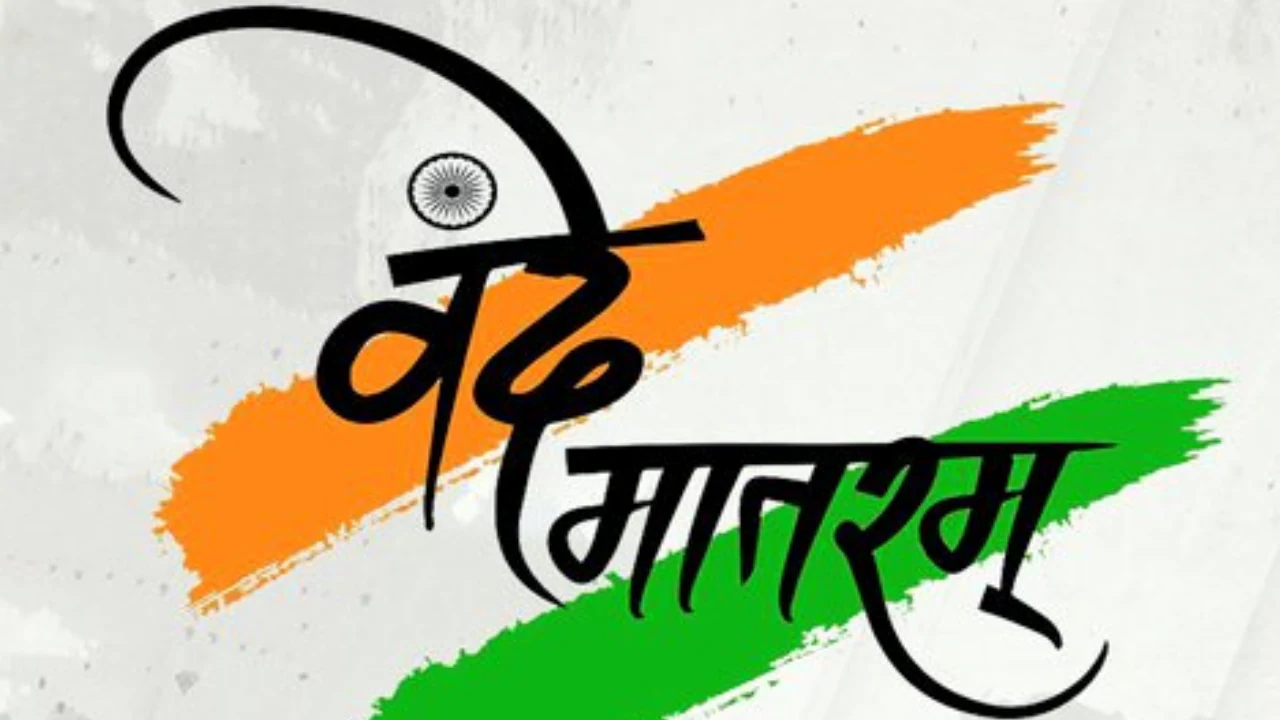
- Bankim Chandra Chatterjee composed Vande Mataram, meaning "Mother, I Bow to Thee."
- It was first published in the journal Bangadarshan in 1875 and later found its way into the novel Anandamath in 1882.
- Rabindranath Tagore set it to music and sang it himself at the 1896 session of the Indian National Congress in Calcutta.
- On 24 January 1950, Dr. Rajendra Prasad told the Constituent Assembly that Vande Mataram should be honoured equally with Jana Gana Mana.