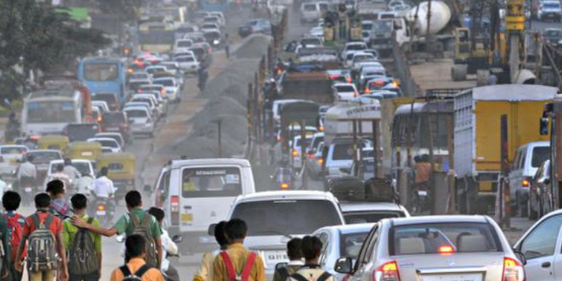
- The Swachh Survekshan 2025 survey revealed sharp contrasts in India’s urban cleanliness, with smaller towns outperforming major metros. While Indore, Surat, and Navi Mumbai continued their clean city legacy, big cities like Bengaluru, Chennai, and Delhi ranked among the dirtiest.
- स्वच्छ सर्वेक्षण 2025 की रिपोर्ट में भारत के शहरी स्वच्छता स्तर में बड़ा अंतर देखने को मिला, जहाँ छोटे शहरों ने बड़े महानगरों से बेहतर प्रदर्शन किया। इंदौर, सूरत और नवी मुंबई ने स्वच्छ शहर की अपनी छवि बनाए रखी, जबकि बेंगलुरु, चेन्नई और दिल्ली सबसे गंदे शहरों की सूची में शामिल रहे।
- Madurai topped the list of dirtiest cities with a score of 4823, followed by Ludhiana, Chennai, Ranchi, and Bengaluru. Rapid urbanisation, weak waste management, and lack of civic discipline were cited as key reasons.
- मदुरै 4823 अंकों के साथ सबसे गंदे शहरों की सूची में पहले स्थान पर रहा, इसके बाद लुधियाना, चेन्नई, रांची और बेंगलुरु का स्थान रहा। तेज़ी से बढ़ता शहरीकरण, कमजोर कचरा प्रबंधन और नागरिक अनुशासन की कमी इसके प्रमुख कारण बताए गए।
- Bengaluru ranked 5th, while Delhi was placed 10th among the dirtiest cities. Meanwhile, Indore, Surat, and Navi Mumbai were recognised in the newly introduced “Super Swachh League” category for exceptional sanitation efforts.
- बेंगलुरु पाँचवें और दिल्ली दसवें स्थान पर रही, जबकि इंदौर, सूरत और नवी मुंबई को उत्कृष्ट स्वच्छता प्रदर्शन के लिए नई श्रेणी “सुपर स्वच्छ लीग” में स्थान मिला।
- The 2025 survey introduced new features such as a Population-Based Matrix, Tourist Area Focus, School-Level Assessment, and CTUs Transformation Metrics to ensure fair and comprehensive cleanliness evaluation.
- 2025 के सर्वेक्षण में निष्पक्ष मूल्यांकन के लिए जनसंख्या आधारित मैट्रिक्स, पर्यटन क्षेत्रों पर ध्यान, स्कूल स्तर पर स्वच्छता मूल्यांकन, और सीटीयू परिवर्तन मानदंड जैसी नई श्रेणियाँ जोड़ी गईं।
- Smaller cities like Raipur, Jabalpur, and Bhopal outperformed major metros through strong citizen participation and effective waste segregation, proving that community-driven efforts yield sustainable results.
- रायपुर, जबलपुर और भोपाल जैसे छोटे शहरों ने नागरिक भागीदारी और बेहतर कचरा पृथक्करण से बड़े महानगरों को पछाड़ दिया, यह साबित करते हुए कि सामुदायिक प्रयास दीर्घकालिक परिणाम दे सकते हैं।
Limited-time offerGet up to 75% OFFGrab the offer
Swachh Survekshan 2025: Madurai Declared India’s Dirtiest City
Swachh Survekshan 2025: Madurai Declared India’s Dirtiest City
Check your eligibility now