
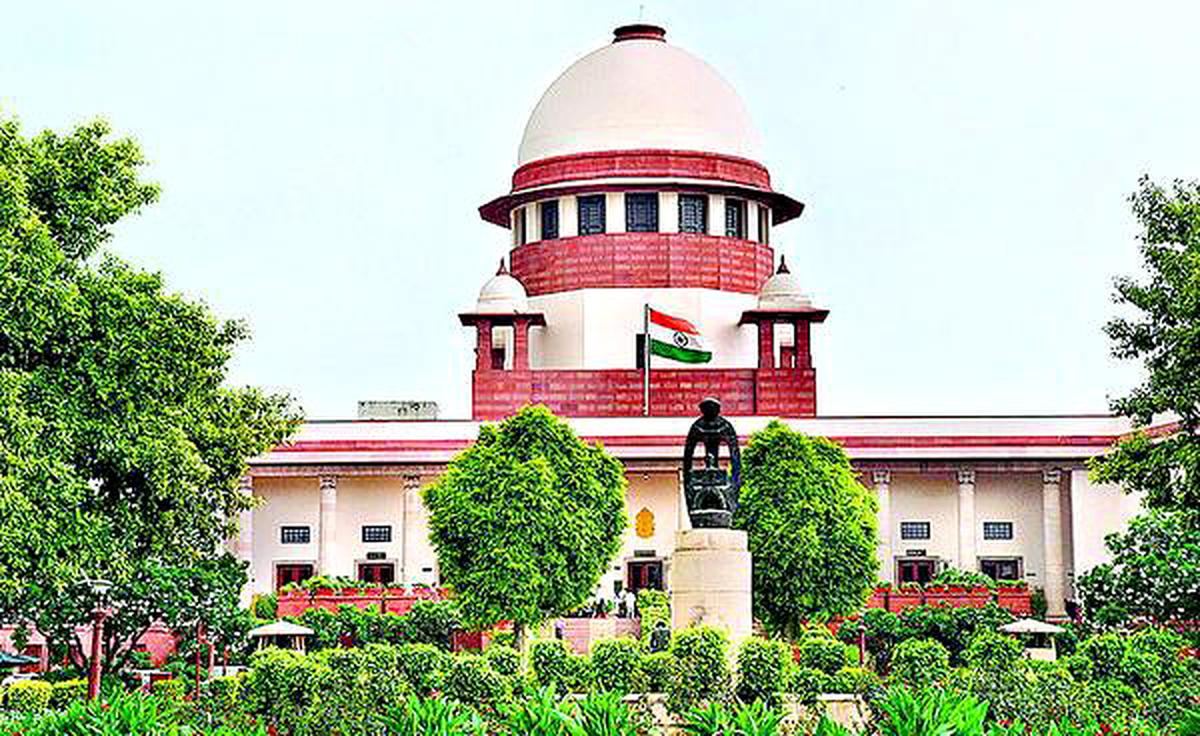
Why in News?
The Supreme Court has directed the 19 States and Union Territories that have not yet done so to consider declaring cancer a notifiable disease. The move is aimed at improving early detection, disease surveillance and patient care across the country.
About the Supreme Court’s Direction
- The direction was issued by a Bench headed by Chief Justice of India Surya Kant along with Justices Joymalya Bagchi and V. Mohana.
- The Court was informed that 17 of the 36 States and UTs had already notified cancer as a notifiable disease.
- The remaining 19 States/UTs have been asked to consider the recommendations and take appropriate action.
- The concerned States and UTs have also been directed to submit compliance affidavits.
- The Court emphasised the need for a uniform policy for cancer reporting across the country.
- The Centre stated that health is a State subject, while highlighting that several States had already notified cancer.
Why is Cancer Notification Important?
Declaring cancer a notifiable disease would require healthcare institutions to report diagnosed cases to designated authorities. This can help in:
- Early Detection: Better reporting can support timely identification of cancer cases.
- Disease Surveillance: Reliable data can help track cancer trends across regions.
- Healthcare Planning: Governments can use data to plan treatment facilities, screening programmes and resources.
- Better Patient Care: Early diagnosis can improve treatment outcomes and reduce treatment costs.
- Uniform Reporting: A common reporting framework can reduce differences in cancer data among States.
What is a Notifiable Disease?
A notifiable disease is a disease that healthcare professionals or institutions are legally required to report to public health authorities when diagnosed. Such reporting helps governments monitor disease patterns, detect outbreaks early and plan appropriate prevention and control measures.
Key Features
- Mandatory Reporting: Cases must be reported to designated health authorities.
- Disease Surveillance: Helps track the spread and changing patterns of diseases.
- Early Detection: Supports timely identification of outbreaks.
- Public Health Planning: Provides data for designing prevention and treatment programmes.
- Disease Control: Enables authorities to take measures such as vaccination, isolation and contact tracing where required.
Examples of Notifiable Diseases
Depending on the country and applicable public-health regulations, diseases that may be subject to notification include: Tuberculosis, Cholera, Dengue, Malaria, Measles, Polio, Diphtheria, Whooping Cough (Pertussis), Rabies, Typhoid, Hepatitis, Leprosy, Influenza, Plague, Tetanus.