Latest Development:
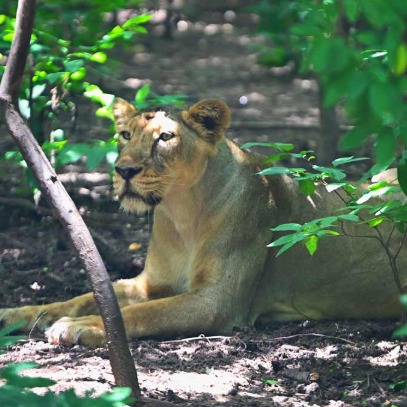
- The Nehru Zoological Park in Hyderabad will soon house a Biosafety Level-3 (BSL-3) laboratory, the first of its kind in southern India.
- The facility will be capable of rapid diagnosis, post-mortem analysis, and research on zoonotic diseases.
About Biosafety Levels (BSL):
- Biosafety levels — also called biological safety levels or biohazard levels — define the containment measures needed for handling infectious agents in laboratories.
- These are mandatory in biological research facilities and are designed to isolate dangerous organisms and lethal agents.
- Containment levels range from BSL-1 (lowest) to BSL-4 (highest), each building upon the previous with increasing layers of precautions.
Factors Determining BSL Classification:
- Containment risks
- Severity of infection
- Transmissibility
- Nature of the work
- Origin of the microbe
- Type of agent involved
- Route of exposure
Biosafety Level Descriptions:
- BSL-1: Low-risk microbes, minimal threat to healthy adults; basic hygiene and minimal protective equipment required.
- BSL-2: Pathogenic organisms linked to human diseases; moderate hazard; requires protective clothing and restricted access.
- BSL-3: Indigenous or exotic microbes causing serious or potentially lethal disease via inhalation; advanced containment, specialized ventilation, and controlled access required.
- BSL-4: Highly dangerous and exotic microbes with no available treatment or vaccines; requires maximum containment, positive pressure suits, and highest-level security protocols.
Precautions:
- Lower BSL levels involve basic safety measures like hand-washing and minimal PPE.
- Higher levels require complex airflow systems, sealed containers, multiple containment rooms, specialized suits, strict procedural protocols, extensive personnel training, and high-security access control.
Significance:
- The new BSL-3 lab in Hyderabad will strengthen India’s capacity to detect and manage emerging zoonotic threats, contributing to regional and national biosecurity.