Why In News
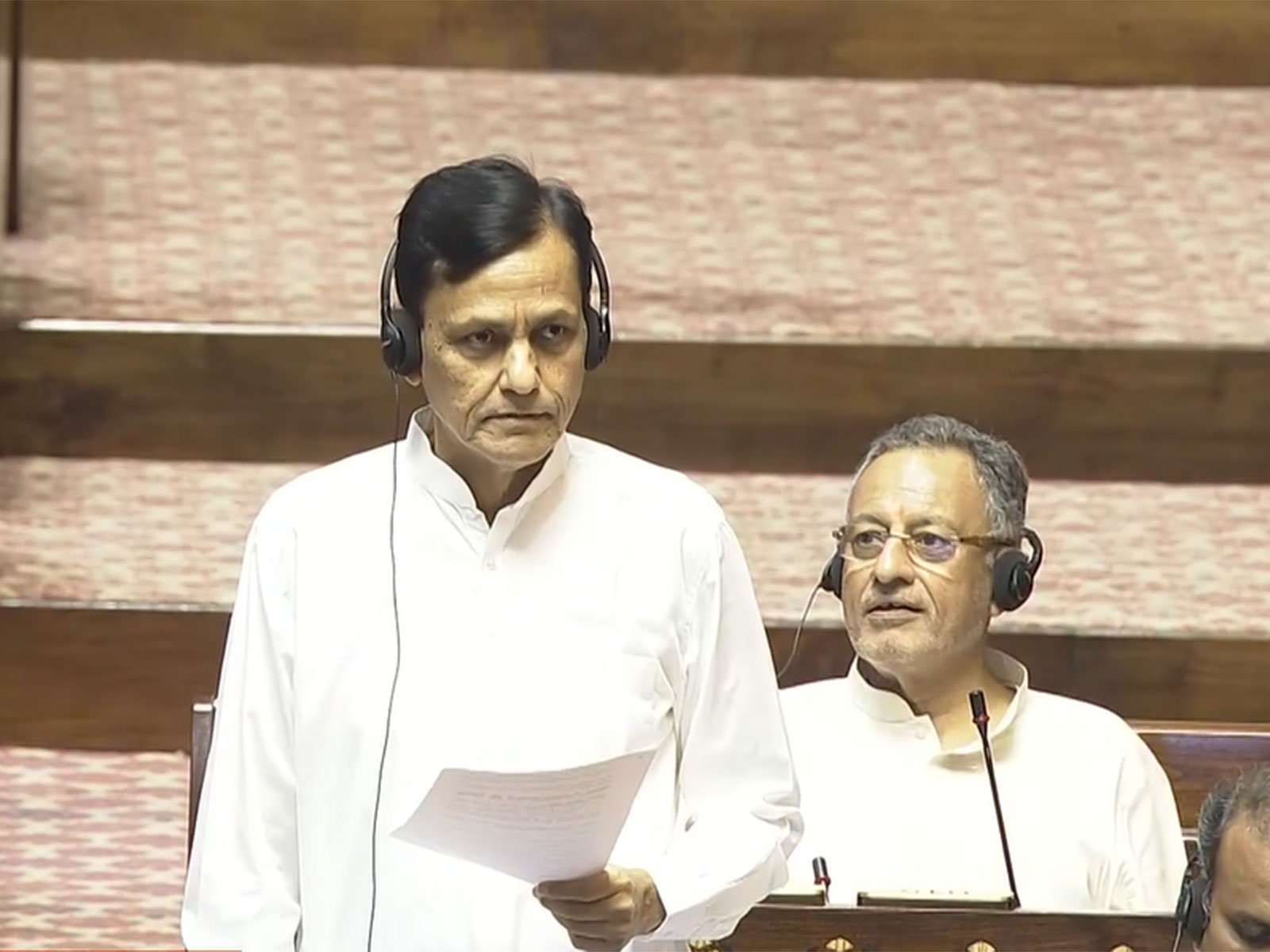
The Lok Sabha has passed the Registration of Births and Deaths (Amendment) Bill, 2026.
About the Bill
- Objective: To amend the Registration of Births and Deaths Act, 1969.
- Purpose: Make delayed registration more stringent while encouraging timely registration of births and deaths.
Key Provisions
- Stricter Delayed Registration: Section 13(3) of the 1969 Act (already updated once in 2023) gets amended again here, and this time the focus is on adding more scrutiny before a delayed birth or death can be registered.
- Approval for 1–2 Years Delay: If a registration is delayed by more than a year but stays within two years - in that case, permission has to come from the District Magistrate, the Sub-Divisional Magistrate, or an Executive Magistrate who's been authorised for the job.
- Mandatory Verification Process: Before any such permission is granted, the person handling the registration has to confirm the details are accurate. Once that's done and the fees are paid, only then does the registration actually go through.
- Judicial Approval for Delay of More than 2 Years: The registration of a birth or death after a delay of more than 2 years will be permitted only on the orders of a Judicial Magistrate First Class.
Static Fact
India's Civil Registration System (CRS) is what keeps track of births, deaths, and stillbirths across the country. It falls under the Office of the Registrar General and Census Commissioner, India (RGI), which itself functions under the Ministry of Home Affairs.
Significance
- Legal Identity: Provides official proof of birth and death.
- Evidence-based Governance: Supports planning of health and welfare policies.
- Real-time Demographic Data: Tracks fertility, mortality and population trends.
- Public Health: Helps monitor disease outbreaks, seasonal mortality, pollution and heat-related deaths.
- Local Planning: Enables district-level planning under decentralized governance.