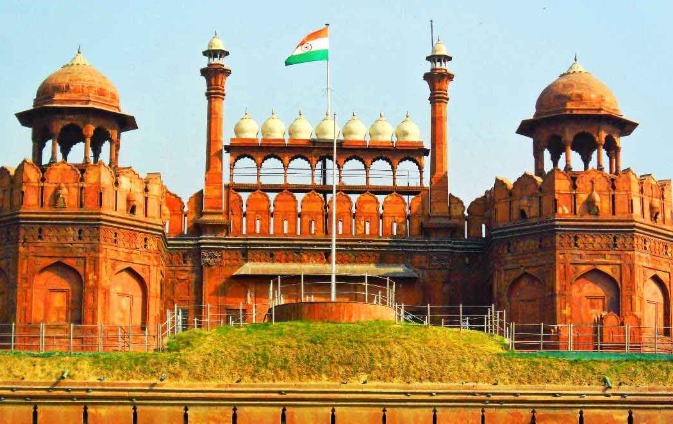
- A recent scientific study has revealed that the iconic Red Fort in Delhi is developing a ‘black crust’ on its sandstone walls, caused by prolonged exposure to high levels of air pollution.
- Experts warn that this pollution-induced layer could accelerate the deterioration of the fort’s architectural beauty and historical significance.
- Built in 1639 by Mughal Emperor Shah Jahan, the Red Fort has been a symbol of India’s rich cultural heritage for nearly four centuries.
- It served as the residence of Mughal emperors for about 200 years and remains a key national monument where the Prime Minister delivers the Independence Day address every August 15. Recognized as a UNESCO World Heritage Site in 2007, the fort attracts millions of visitors annually.
- Architecturally, the Red Fort reflects a unique fusion of Persian, Timurid, and Hindu traditions, with its massive red sandstone walls, marble palaces, geometrical gardens, and grand audience halls such as the Diwan-i-Am and Diwan-i-Khas. However, the ongoing threat of pollution now raises concerns about preserving its historical legacy for future generations.
Limited-time offerGet up to 75% OFFGrab the offer
Red Fort Walls Turning Black Due to Rising Air Pollution
Study Finds Formation of ‘Black Crust’ Threatening Heritage Structure
Check your eligibility now