
Why in News?
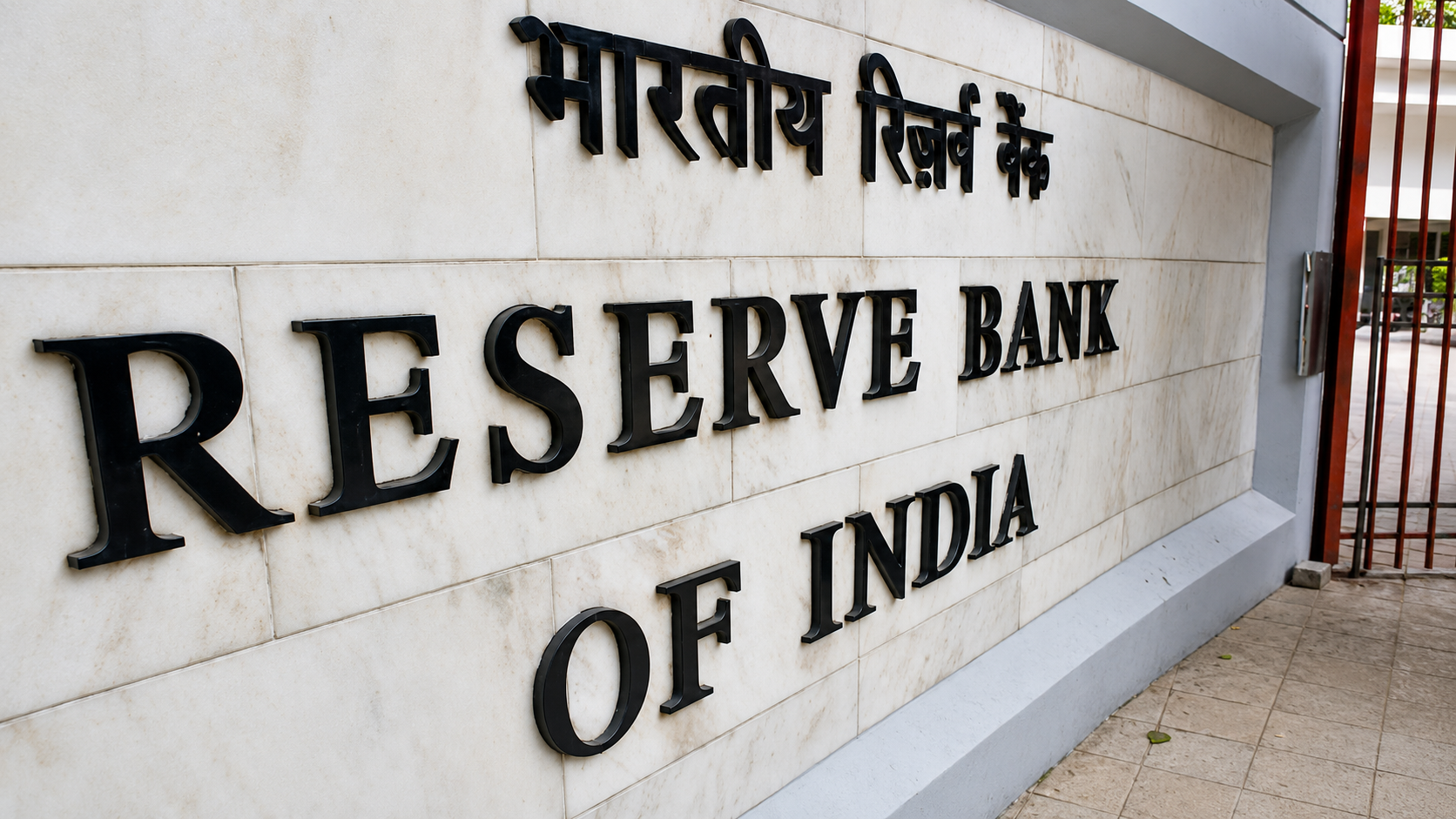
The Reserve Bank of India (RBI) has decided to resume ‘on-tap’ licensing of Urban Co-operative Banks (UCBs) after a gap of nearly two decades. The RBI also announced a review of concentration risk norms for Rural Co-operative Banks (RCBs) and plans to simplify the framework governing interest rates on bank loans.
Importance
- The move will allow eligible entities to apply for Urban Co-operative Bank licences on an ongoing basis, instead of waiting for a specific licensing window.
- The review of concentration risk norms aims to support the growth of the rural co-operative banking sector while keeping lending risks under control.
- The proposed changes in lending rate rules are aimed at making loan pricing more transparent and uniform.
- The measures are also expected to improve monetary policy transmission and strengthen consumer protection.
Key Highlights
- The RBI will resume ‘on-tap’ licensing for Urban Co-operative Banks.
- The RBI had released a discussion paper on January 13, 2026, seeking views from stakeholders on the licensing framework for UCBs.
- Based on the feedback received, the central bank decided to restart the licensing process.
- The RBI will shortly issue draft guidelines for public consultation.
Review of Rural Co-operative Banks
- The RBI has proposed a review of prudential norms related to concentration risk for Rural Co-operative Banks.
- The existing Credit Monitoring Arrangement guidelines have been in force since 2008.
- The RBI said that the banking sector, including co-operative banks, has expanded and undergone significant changes since then.
- The review will focus on supporting the growth of co-operative banks while addressing risks arising from concentrated lending.
- Draft amendments will be issued for stakeholder consultation.
Review of Interest Rate Framework
The RBI also plans to rationalise the regulatory framework governing interest rates on advances for all regulated entities.
- The proposed framework will follow a principle-based approach.
- It aims to bring greater uniformity to lending rate guidelines across regulated entities.
- The RBI will review operational aspects of the Marginal Cost of Funds-based Lending Rate (MCLR) framework.
- It will also review the External Benchmark Lending Rate (EBLR) framework.
- The proposed changes will standardise practices related to interest calculation, day-count conventions and benchmark reset dates.
- The RBI said the changes will help improve transparency in loan pricing and strengthen consumer protection.
Expected Benefits
- More transparent loan pricing
- Greater uniformity in lending rates
- Better monetary policy transmission
- Strengthening of co-operative banking
- Improved consumer protection
- Better management of concentration risk
About Urban Co-operative Banks (UCBs)
- UCBs are co-operative societies registered under a State Co-operative Societies Act or the Multi-State Co-operative Societies Act. They can carry out banking activities after obtaining a licence under the Banking Regulation Act, 1949.
- India had 1,457 UCBs as of March 31, 2025.
- UCBs are governed under a dual regulatory system:
- RBI: Regulates their banking operations.
- Registrar of Co-operative Societies (RCS): Deals with their administrative and management matters.
- The RBI has been regulating the banking functions of UCBs since 1966.
- Based on their deposit size, the RBI places UCBs into a four-tier regulatory structure.