
Why is it in News?
→ A new monoclonal antibody treatment has shown promising results for Primary Sclerosing Cholangitis.
→ The development is significant due to the lack of curative treatments for this rare liver disease.
Important Points:
- PSC is a rare, long-term liver disease.
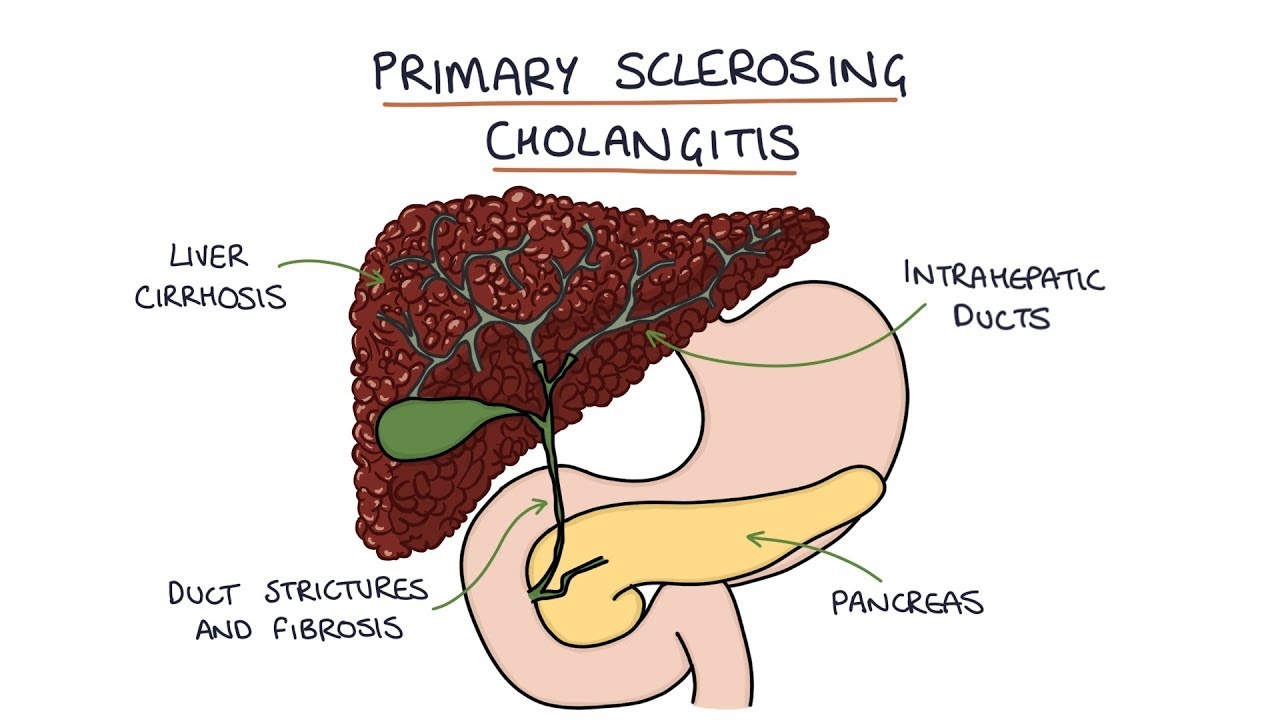
- It is caused by inflammation of bile ducts in the liver.
- Bile ducts carry bile from the liver to the gallbladder and small intestine.
- Scarring and narrowing of bile ducts lead to liver damage.
- Over time, liver loses ability to filter blood and support digestion.
- PSC patients have higher risk of liver failure.
- PSC increases risk of bile duct, gallbladder, and colon cancers.
- Causes include genetics, immune system problems, gut microbiome changes, and environmental factors.
- Symptoms develop slowly and may be absent for years.
- Common symptoms include itchy skin, fatigue, belly pain, jaundice, chills, and fever.
- Cirrhosis develops due to bile backup in the liver.
- Liver transplant is the only cure for advanced PSC.
- Median survival without transplant is around 10 years.