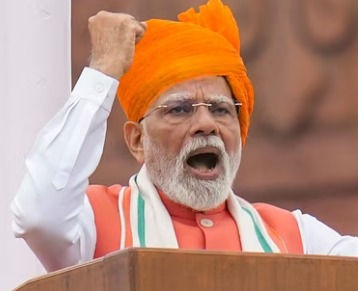
- On August 15, 2025, during his 79th Independence Day address from the Red Fort, Prime Minister Narendra Modi launched the Pradhan Mantri Viksit Bharat Rozgar Yojana, a ₹1 lakh crore nationwide employment initiative.
- The flagship scheme under the government’s Viksit Bharat 2047 vision targets the creation of 3.5 crore jobs in the next two years, positioning itself as one of the largest employment-generation programs in independent India.
Key Features of the Scheme:
- Direct Support to Youth: Every young individual securing their first private sector job will receive ₹15,000 directly from the government, easing their transition into formal employment and boosting participation in the organized sector.
- Incentives for Employers: Businesses generating new employment will receive ₹3,000/month per additional employee. Special extended benefits are reserved for the manufacturing sector to encourage large-scale job creation.
- Scale and Targets: With a total investment of ₹1 lakh crore, the scheme aims to generate 3.5 crore jobs, benefiting 1.92 crore first-time workforce entrants.
- Implementation: The scheme will be overseen by the Ministry of Labour & Employment, with the Employees’ Provident Fund Organisation (EPFO) ensuring transparency in tracking and verifying beneficiaries.
- PM Modi described the scheme as a “gift to the youth”, symbolizing both economic empowerment and inclusive national growth.
- He likened it to a “double Diwali celebration for young Indians”, underlining the government’s intent to boost both youth employment and enterprise expansion.
Expected Impact:
- Strengthened formal sector jobs, especially in manufacturing and services.
- Boost for private sector growth through wage-support incentives.
- Enhanced youth participation in the economy, reducing underemployment.
- Expansion of social security coverage under EPFO.