New Findings on PET-Degrading Microbes
- Recent research has highlighted the potential of microbes like Ideonella sakaiensis to degrade polyethylene terephthalate (PET) plastic, one of the most persistent pollutants in the environment.
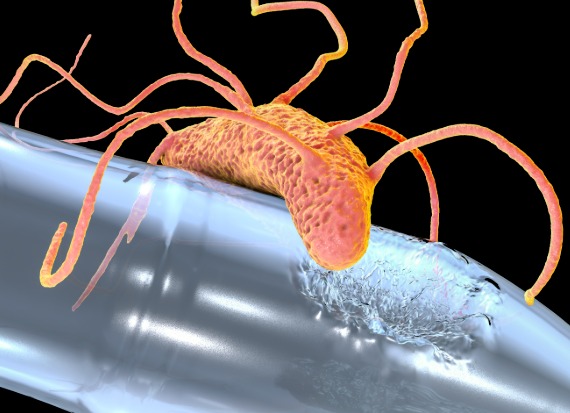
- This bacterium can use PET as both a carbon and energy source, breaking it down into environmentally benign building blocks.
About Ideonella sakaiensis
- Belonging to the genus Ideonella and family Comamonadaceae, this Gram-negative, rod-shaped, motile, non-sporing bacterium was first discovered in PET-contaminated soil in Japan.
- It thrives in oxygen-rich moist soil and sewage sludge, particularly in environments with high plastic waste concentration.
How It Works and Why It Matters
- Sakaiensis produces enzymes that break PET into its basic components, which it and other organisms can consume.
- Given that PET is a condensation polymer of ethylene glycol and terephthalic acid widely used in packaging and bottles the bacterium’s ability to degrade it could help address plastic waste accumulation.
- Its discovery is a promising step toward biotechnological solutions for global plastic pollution.