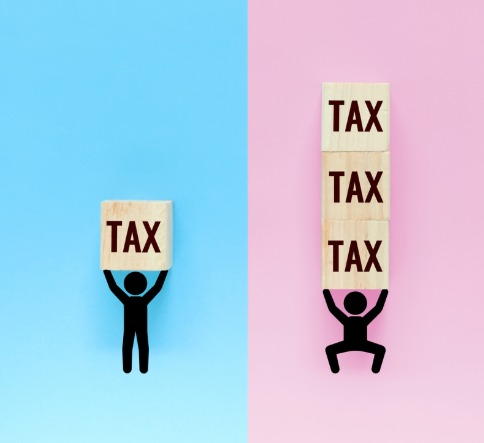
- The issue of “Pink Tax,” referring to the extra cost companies charge for products marketed to women compared to men, is drawing increasing attention in India.
- Although not a government-imposed tax, the term highlights gender-based price disparities in everyday goods and services such as personal care items, clothing, salon services, and toys.
- While India currently lacks specific laws to regulate the Pink Tax, the National Consumer Disputes Redressal Commission (NCDRC) has emphasized that companies must ensure fair pricing policies and avoid gender-based price discrimination.
- The concept of Pink Tax originated in California, U.S., in 1994 after studies revealed women were paying more than men for comparable goods and services.
- Research in the U.S. showed that women’s personal care products were on average 13% costlier, while accessories and clothing were 7–8% more expensive.
- In India, though research is limited, surveys indicate noticeable price variations between female-targeted and male-targeted goods.
- For now, the Pink Tax remains a matter of consumer awareness, with regulatory bodies urging fairness in pricing but no statutory ban in place.
Limited-time offerGet up to 75% OFFGrab the offer
Pink Tax in India: Gender-Based Price Discrimination Under Consumer Lens
NCDRC Stresses Fair Pricing Policies; No Specific Law Yet to Curb the Practice
Check your eligibility now