Why is it in the news?
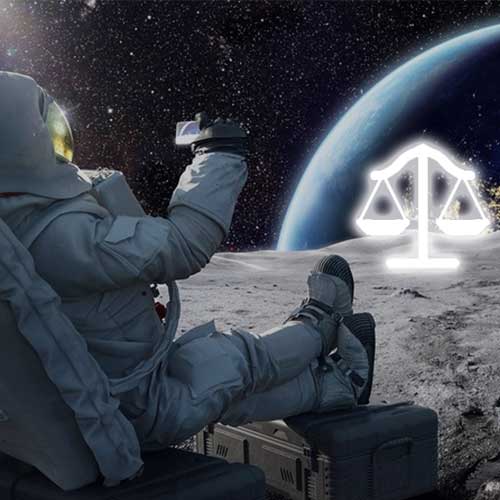
→ Earth-based IP law conflicts with sovereignty-free outer space innovation needs.
→ Raises challenges for multinational collaboration on Moon and Mars technologies.
Category
S&T
Important Points
- Jurisdiction-by-registration approach used under Article VIII of Outer Space Treaty, 1967.
- Inventions on registered modules treated as occurring in registering state territory.
- Patent law based on territoriality conflicts with Article II non-appropriation principle.
- ISS uses module-based jurisdiction under intergovernmental agreement.
- Model unsuitable for integrated multinational lunar bases.
- Patent exclusivity may conflict with Article I principle of benefit to all humankind.
- Temporary presence doctrine from the Paris Convention, 1883 remains unclear in space.
- Risk of “flags of convenience” through weak jurisdictions.
- Artemis Accords reduce interference but do not resolve ownership.
- Outer Space Treaty adopted 1966, entered force 1967; over 115 states parties.
- India signed OST in 1967 and ratified it in 1982.
- Article IV bans WMD in space.
- Article VI confirms state responsibility for national activities.
- Article VII establishes liability for damage by space objects.