
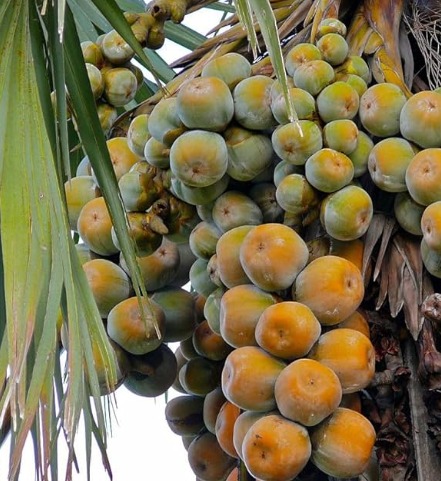
- In a unique blend of ecological and social benefits, Palmyra palm trees in Odisha are offering dual advantages-reducing lightning-related deaths and serving as a crucial food source for elephants during scarce periods.
- Commonly known as sugar palm, toddy palm, or fan palm, the Palmyra palm (Borassus flabellifer) is native to tropical Africa but widely naturalized and cultivated across India.
- Traditionally planted as windbreaks, these hardy palms thrive in a variety of soils-from sandy and red to black and alluvial-and are well-suited to semi-arid regions with annual rainfall below 750 mm.
The Palmyra palm has multiple benefits:
- It supports biodiversity by providing natural shelter to birds, bats, and other wildlife.
- Its sap (toddy) is tapped for beverages and jaggery, which is more nutritious than cane sugar.
- It holds cultural and economic importance for communities like the Nadar, who use nearly every part of the tree for food, furniture, handicrafts, and construction materials.
- Odisha’s innovative use of these trees to mitigate lightning deaths while simultaneously addressing elephant hunger highlights the tree’s versatile role in climate resilience and rural livelihood support.