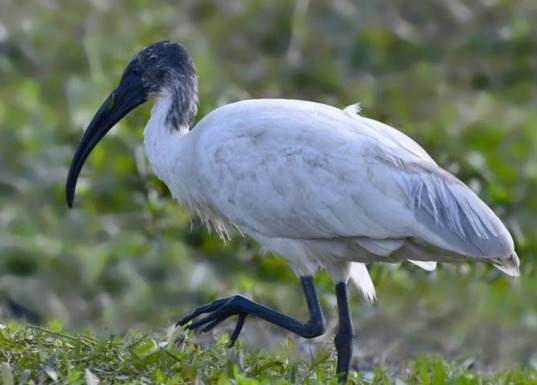
- Authorities at the National Zoological Park have heightened surveillance and biosecurity protocols following the discovery of a painted stork carcass near a pond and another sick stork detected in the water bird aviary.
- Officials confirmed that precautionary measures are being taken to prevent the spread of possible infections among other birds in the enclosure.
- The painted stork (Mycteria leucocephala) is a large wading bird belonging to the stork family, easily recognized by its heavy yellow beak with a down-curved tip and striking white plumage with a rose tint near the tail.
- Native to the plains of tropical Asia, including the Indian subcontinent and Southeast Asia, these birds are typically found in freshwater wetlands, flooded rice fields, and irrigation canals, though they avoid arid zones and dense forests.
- Standing between 93 to 102 cm in height and weighing 2 to 5 kg, painted storks are unique within their genus for having a distinctive black pectoral band. Although males and females look alike, males are usually slightly larger.
- The species is currently classified as “Least Concern” under the IUCN Red List, though its populations remain dependent on wetland health and protection from habitat degradation.
Limited-time offerGet up to 75% OFFGrab the offer
Painted Stork Found Dead at National Zoological Park, Biosecurity Measures Intensified
Delhi Zoo Steps Up Vigil After Migratory Bird Death and Illness Detected in Aviary
Check your eligibility now