
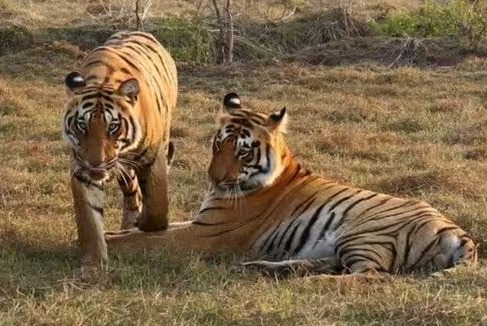
Debrigarh Wildlife Sanctuary: Latest Development
- The Odisha Forest Department has announced plans to introduce tigers into the Debrigarh Wildlife Sanctuary, located in Bargarh district.
- According to senior officials, this move is part of a larger initiative to boost the sanctuary’s biodiversity and establish it as a viable habitat for large carnivores, particularly in western Odisha.
- Preparatory ecological studies, prey base assessments, and habitat readiness checks are being considered before the formal reintroduction process begins.
Location and Geography:
- Debrigarh Wildlife Sanctuary is located in Bargarh district of Odisha, near the Hirakud Dam on the Mahanadi River.
- Hirakud is the longest dam in India and the longest earthen dam in the world.
- The sanctuary covers an area of approximately 347 square kilometers.
Historical Significance:
- Debrigarh holds cultural and historical importance due to its association with freedom fighter Veer Surendra Sai, who used the region’s Barapathara hills within the sanctuary as a base during his rebellion against British rule.
- Vegetation and Forest Types
- The sanctuary features mixed and dry deciduous forest types, characteristic of central and eastern Indian ecosystems.
Major tree species include:
- Sal
- Asana
- Bija
- Aanla (Indian gooseberry)
- Dhaura
Mammals:
Debrigarh supports a rich diversity of mammalian fauna, such as:
- Indian leopards
- Sloth bears
- Chousingha (four-horned antelope)
- Sambar deer
- Gaurs (Indian bison)
- Wild boars
- Indian wild dogs (dholes)
Avifauna (Birdlife):
- It is a renowned wintering ground for migratory birds, making it a hotspot for birdwatchers.
Commonly sighted bird species include:
- Crested serpent eagle
- Flower peckers
- Red-vented bulbul
- Tree pie
- Drongo
- Oriental white-eye
Conservation Significance of Tiger Reintroduction:
- Introducing tigers would re-establish apex predator dynamics, essential for healthy ecosystems.
- It will help in restoring ecological balance and controlling herbivore populations naturally.
- The initiative would also boost eco-tourism and strengthen wildlife protection infrastructure in the region.
- The presence of prey species such as sambar, gaur, and wild boar indicates that the sanctuary already has the foundational resources for tiger habitation.
Conclusion:
- The proposal to introduce tigers into Debrigarh Wildlife Sanctuary marks a strategic move by the Odisha government to expand its conservation success beyond traditional tiger reserves.
- If implemented effectively, it could transform Debrigarh into a model conservation site and a significant ecological corridor in western Odisha.