National Highways & Infrastructure Development Corporation Limited (NHIDCL):
- The National Highways & Infrastructure Development Corporation Limited (NHIDCL) is a Central Public Sector Undertaking (CPSU) under the Ministry of Road Transport & Highways, playing a crucial role in strategic infrastructure development, especially in border and remote regions of India.
Latest Development:
- Traffic Disruption on NH10:
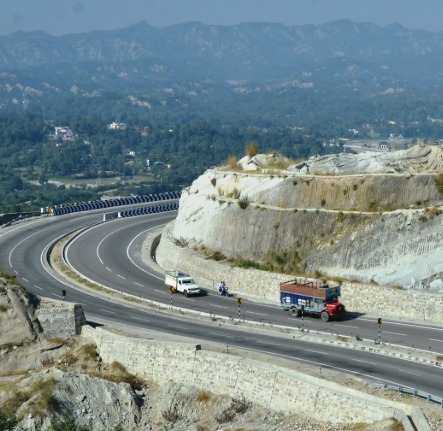
- Traffic movement between Sikkim, Kalimpong, and Siliguri has been temporarily suspended due to landslides and cave-ins on a 30 km-long stretch of NH10.
- Repair and restoration work is being carried out by NHIDCL.
- NH10 is a vital economic and strategic link between Sikkim and the rest of India.
About NHIDCL:
- Incorporation Date: 18 July 2014
- Legal Status: Wholly owned Government of India entity under the Companies Act, 2013.
- Parent Ministry: Ministry of Road Transport & Highways (MoRTH)
Mandate and Objectives:
- Constructing, upgrading, widening, and maintaining National Highways in strategically significant and geographically challenging regions, especially
- Border states
- Hilly terrains
- International connectivity corridors
- Key Focus Areas:
- Northeastern Region (NER)
- Union Territories of Jammu & Kashmir, Ladakh, Andaman & Nicobar Islands
- State of Uttarakhand
- Projects include:
- Tunnels
- Logistics hubs
- Border and interstate linkages
- Advanced mobility infrastructure
Strategic Role in National Policies:
- Act East Policy Implementation:
- NHIDCL is the executing arm for infrastructure-led integration of India’s Northeast with Southeast Asia.
- Strengthens inter-regional and international connectivity, fostering trade and diplomatic ties.
- Geopolitical Importance:
- Enhances border road infrastructure to counter strategic threats.
- Enables faster troop movement and supply chains along sensitive international borders.