
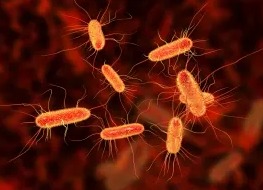
- In a ground-breaking study, researchers have successfully engineered Escherichia coli (E. coli) bacteria to act as self-powered chemical sensors capable of interfacing directly with electronic devices.
- This innovation could pave the way for advanced biosensors, environmental monitoring tools, and medical diagnostics by integrating living organisms with electronics for real-time detection of chemicals and toxins.
About Escherichia coli:
- Escherichia coli, commonly called E. coli, is a rod-shaped bacterium of the Enterobacteriaceae family found in the intestines of humans and animals.
- While most strains are harmless and play a role in maintaining gut health, certain strains can cause serious illnesses.
- Diseases caused: Some strains trigger diarrhoea, urinary tract infections, respiratory diseases, and pneumonia.
- Transmission: Humans can contract harmful E. coli through contaminated food, water, or contact with fecal matter from infected individuals or animals.
- How it makes you sick: The harmful strains, known as Shiga toxin-producing E. coli (STEC), release toxins that damage the lining of the small intestine, leading to diarrhoea.
- Symptoms: Common signs of infection include fever, vomiting, persistent or bloody diarrhoea.
- Treatment: Most infections resolve on their own with proper hydration, though severe cases may require medical attention.
- The recent scientific breakthrough demonstrates the dual role of E. coli—as both a potential cause of illness and a tool for technological advancement—opening up new possibilities in biotechnology and healthcare.