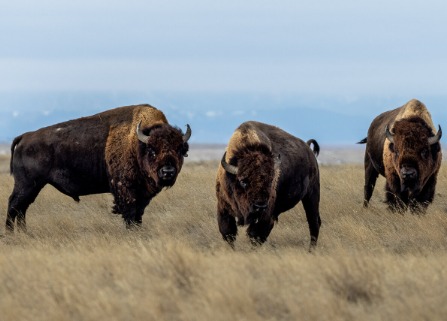
- Recent conservation initiatives have introduced a comprehensive database to support the restoration and management of North American prairies—vast, flat temperate grasslands known for their fertile soils, rich biodiversity, and critical ecological role.
- Prairies are temperate grasslands primarily found in regions with low annual rainfall.
- Their vegetation is shaped and maintained by grazing, fire, drought, and low temperatures, with grasses dominating the landscape.
- Other vegetation includes lichens, mosses, forbs, and low- to mid-size shrubs, while taller trees such as willows, poplars, aspens, and cottonwoods grow in valleys and depressions where water and nutrients accumulate.
- Grasses in prairies exhibit remarkable adaptations, including deep roots, growing points near the soil surface, narrow leaves, wind-pollinated small flowers, tough silica-hardened stems, and efficient photosynthesis with minimal water loss.
- Wildlife in these ecosystems, like elk, deer, coyotes, bobcats, badgers, jackrabbits, ground squirrels, and pocket gophers, have similarly adapted to semi-arid, open, and windy conditions.
- Globally, similar temperate grasslands exist under different names: Pampas in South America, Velds in Africa, and Steppes in Asia.
- The new database aims to ensure these vital ecosystems are restored and managed more effectively, safeguarding both agriculture and biodiversity.
Limited-time offerGet up to 75% OFFGrab the offer
New Database Launched to Restore North America’s Prairies
Efforts Aim to Preserve Fertile Grasslands and Rich Biodiversity
Check your eligibility now