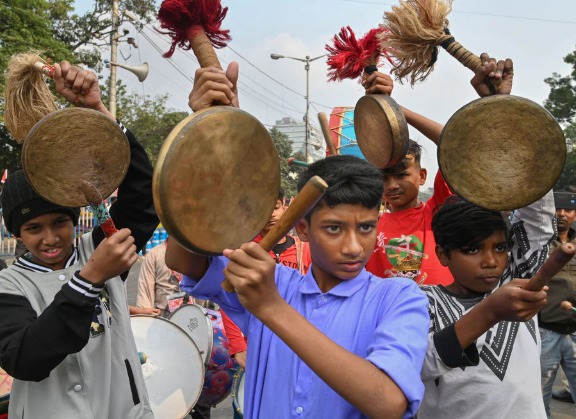
- A social outfit recently organised a march in Habra, North 24-Parganas, with members of the Matua community, to protest against the proposed Special Intensive Revision (SIR) of electoral rolls in West Bengal.
- The protest reflects growing concerns among the community regarding electoral inclusivity and political representation.
- The Matua community, a significant socio-religious group in Bengal, traces its origins to the 19th century.
- Founded by Harichand Thakur in East Bengal (now Bangladesh) during the 1860s, the movement arose as a response to entrenched caste discrimination within Hindu society.
- Followers, largely belonging to the Namashudra caste, embraced Harichand’s reformist teachings that emphasized social equality, dignity, education, and empowerment of marginalized groups.
- Post-Partition in 1947, many Matua families migrated from East Pakistan (now Bangladesh) to India, though a substantial population remained across the border. Today, the Matuas represent the second-largest Scheduled Caste population in West Bengal, making them an influential socio-political group in the state.
- The recent protest underscores the community’s continuing struggle for recognition, rights, and political participation in Bengal’s evolving electoral landscape.
Limited-time offerGet up to 75% OFFGrab the offer
Matua Community Protests Against Special Intensive Revision of Electoral Rolls in Bengal
Social Outfit Leads March in Habra, North 24-Parganas Highlighting Community Concerns
Check your eligibility now