Latest Development:
- The Kerala High Court has directed the State Government and the State Wetland Authority Kerala (SWAK) to constitute a dedicated Ashtamudi Wetland Management Unit.
- The unit is to be formed within two months from the date of issuance of an official notification.
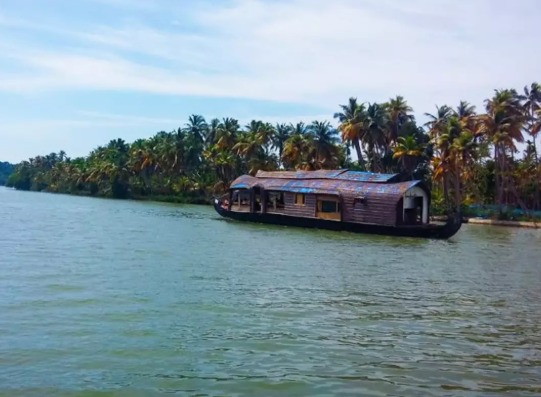
- The move aims to ensure focused conservation, ecological restoration, and sustainable management of the Ashtamudi Wetland, a Ramsar site.
About Ashtamudi Lake:
- Location: Kollam district, Kerala.
- Type: Freshwater lake with brackish-water features.
- Size & Length: Spans an area of 61.4 sq.km, with a length of 16 km.
- Ranking: Second largest lake in Kerala after Vembanad Lake.
- Name Origin: ‘Ashta’ (eight) + ‘Mudi’ (coned) — referring to its eight arms or channels.
- Shape: Often described as palm- or octopus-shaped.
Hydrology:
- Fed by rivers such as the Kallada River.
- Drains into the Arabian Sea through the Neendakara estuary.
Environmental and Historical Significance:
- Ramsar Designation: Declared a Ramsar Wetland of International Importance in 2002.
Historical Importance:
- Once the main maritime gateway of the ancient city of Quilon (Kollam).
- Mentioned by Ibn Battuta, the 14th-century Moroccan traveller, as a major global trading port.
Biodiversity and Ecology:
- Birds: 57 species (6 migratory + 51 resident species).
- Fish: 97 species (including marine, estuarine, and riverine types).
Important Fauna:
Endangered/Endemic species like:
- Pearl spot fish (Karimeen)
- Mangrove crab
- Otter
- Water snake
- Kingfisher, egret, heron, and cormorant
- Mangrove ecosystem and aquatic vegetation crucial for ecological balance.
Significance of Court Directive:
- Aimed at preventing ecological degradation due to urban encroachment, illegal fishing, and pollution.
Supports the need for:
- Community-based conservation
- Scientific lake management
- Eco-tourism with environmental safeguards
- Reflects India’s obligation to protect Ramsar sites under international treaties and national wetland rules.