
Introduction:
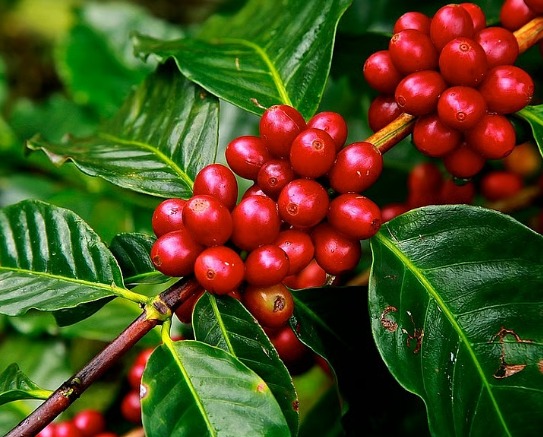
- Planters in Chikkamagaluru and Hassan districts of Karnataka are preparing to apply Bordeaux mixture for the third or fourth time this year.
- The move comes after crop losses caused by unseasonal rainfall, which has increased the risk of fungal and bacterial infections.
About Bordeaux Mixture
- A fungicide and bactericide, prepared by mixing copper sulfate (CuSO₄) and lime (Ca(OH)₂) in water.
- Discovered in the late 19th century in the Bordeaux region of France, originally used to protect grapevines from downy mildew.
- Recognized as the first widely used chemical fungicide in agriculture.
Properties and Characteristics:
- Low aqueous solubility and non-volatile, making it long-lasting.
- Effective even in rainy weather, unlike many synthetic fungicides that wash away quickly.
- Functions through a multi-site mode of action due to copper, reducing the risk of pesticide resistance.
Agricultural Importance
- Used in fruits (grapes, citrus, apples, mangoes), vegetables (tomatoes, potatoes), and plantation crops (coffee, tea).
- Helps control major diseases like blight, mildew, canker, and leaf spot.
- Plays a vital role in organic farming, where synthetic fungicides are prohibited.
Precautions & Limitations
- Application should be timed carefully: usually after harvest or before the onset of rains.
- If applied to tender new leaves, it may cause phytotoxicity (leaf burn and injury).
- Excessive use can lead to copper accumulation in soil, affecting soil health and microbial activity.
Current Context in Karnataka:
- Coffee and arecanut planters in Malnad regions are relying heavily on Bordeaux mixture for disease management this season.
- The third/fourth round of spraying reflects unusually high disease pressure due to erratic rainfall patterns linked to climate change.
- Agricultural officers are advising farmers to follow dosage guidelines strictly to avoid crop damage.