- Authorities on Jeju Island, South Korea’s largest and most popular tourist destination, have introduced multilingual notices to curb misbehavior among foreign visitors after increasing complaints from local residents.
- The initiative, led by the island’s police, aims to promote responsible tourism and protect community harmony while maintaining Jeju’s reputation as a global travel hub.
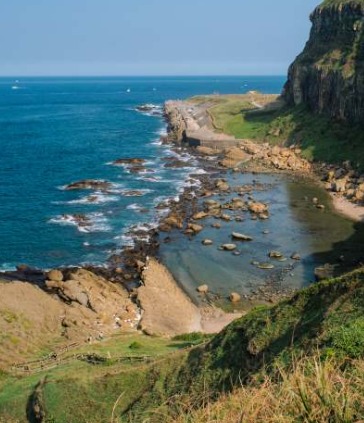
- Jeju Island (Jejudo) is a volcanic island located about 130 km off the Korean Peninsula in the East China Sea. Covering 1,846 sq. km, it is oval-shaped, stretching 64 km east–west and 26 km north–south.
- The island is the administrative center of Jeju Province, with its capital in Jeju City.
- The island is globally renowned for its unique volcanic geography, including the Jeju Volcanic Island and Lava Tubes, recognized as a UNESCO World Heritage Site.
- Dominating the island’s landscape is Hallasan, a dormant volcano and the highest mountain in South Korea (1,950 m), surrounded by over 360 satellite volcanic cones.
- Tourism plays a vital role in Jeju’s economy, attracting millions of domestic and international travelers each year.
- Visitors come for its mild climate, beaches, volcanic caves, hiking trails, and cultural heritage.
- However, the rapid rise in foreign tourism has also led to cultural tensions and environmental pressures, prompting local authorities to adopt new measures.
- The multilingual notice campaign highlights South Korea’s broader efforts to ensure sustainable tourism, protect natural heritage, and respect local communities while promoting Jeju Island as a leading eco-tourism destination in East Asia.
Limited-time offerGet up to 75% OFFGrab the offer
Jeju Island Authorities Issue Multilingual Notices to Address Tourist Misconduct
South Korea’s largest island takes new steps to balance tourism growth with local concerns.
Check your eligibility now