- India has launched its first-ever drone and AI-powered cloud seeding experiment in the Ramgarh Dam area of Jaipur, Rajasthan, aiming to trigger artificial rain to revive the 129-year-old reservoir that has remained dry for two decades.
- The initiative, jointly undertaken by GenX AI — an India-US-based technology firm — and the Rajasthan Government, seeks to improve water supply, support agriculture, and restore biodiversity in the dam area.
- The pilot project, inaugurated at 2 PM by Agriculture and Disaster Relief Minister Kirodi Lal Meena, is being witnessed by weather experts, technology specialists, and local villagers led by MLA Mahendra Pal Meena.
- Initially considered for Mansagar Dam near Jal Mahal, the location was shifted to Ramgarh due to its larger size, dry condition, and historical importance.
- Ramgarh Dam, situated on the Banganga River, was built between 1897 and 1903 under Maharaja Madho Singh II.
- It once served as the main water source for the Jamwaramgarh Wildlife Sanctuary and hosted events like the 1982 Asian Games sailing competition. However, it has not filled to capacity since 1981.
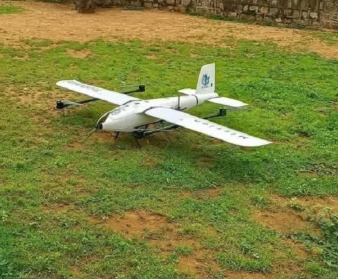
- The cloud seeding process involves using Taiwan-made drones to spray sodium chloride into targeted clouds, encouraging condensation and rainfall.
- This AI-assisted targeting is expected to improve precision, a step ahead of previous attempts — such as the unsuccessful trial at Ghosunda Dam in Chittorgarh.
- The project involves coordination between the Agriculture, Meteorology, Water Resources, Irrigation Departments, and the Pollution Control Board, with DGCA approval for drone flights.
- Data from the experiment will be recorded over one month for analysis.
- India has a history of cloud seeding efforts dating back to 1951, including successful trials over Maharashtra’s Baramati region, which recorded a 24% increase in rainfall.
- The Jaipur experiment is significant for its integration of AI and drone technology, potentially offering a scalable solution for drought-prone areas across the country and strengthening climate resilience.
Limited-time offerGet up to 75% OFFGrab the offer
India’s First Drone-AI Powered Cloud Seeding Experiment Launched at Jaipur’s Ramgarh Dam
Cutting-Edge Weather Modification Project Aims to Revive 129-Year-Old Reservoir and Boost Water Security
Check your eligibility now