About the Hatti Tribe:
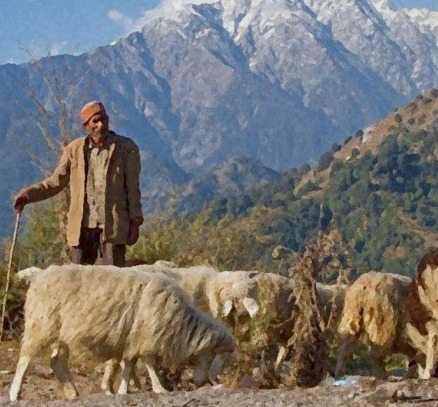
- The Hatti are a tribal community primarily inhabiting the Himachal Pradesh–Uttarakhand border region.
- The name “Hatti” is derived from their traditional role of selling produce and meat in local haats (markets).
They are divided into two major groups:
- Trans-Giri Hattis – based in Sirmaur district, Himachal Pradesh
- Jaunsar-Bawar Hattis – in Dehradun district, Uttarakhand
Scheduled Tribe Status:
- Granted ST status in August 2023 by the Government of India.
- This inclusion aimed to ensure socio-economic development and constitutional safeguards for the community.
Polyandry Tradition – “Jodidara” / “Jajda”:
- Polyandry: A form of polygamy where one woman is married to multiple husbands, usually brothers.
- Purpose: Prevents land fragmentation, maintains family property, and unity.
- Though declining, it remains culturally respected and is occasionally practiced, as seen in a recent case in Himachal.
Legal Status:
- Polyandry is illegal under Indian law.
- However, Himachal Pradesh Revenue Law recognizes customary tribal practices of the Hatti, allowing “Jodidara” under tribal personal law.
Governance & Customs:
- Khumbli: A traditional council that manages internal affairs, social disputes, and tribal decisions.
- The Hattis follow unique cultural codes based on oral traditions, agricultural lifestyles, and community consensus.
Contemporary Relevance:
- The tribe is at the intersection of modern legal systems and tribal customary rights.
- Their traditions, including polyandry, are studied in anthropology for insights into Himalayan kinship and inheritance systems.