
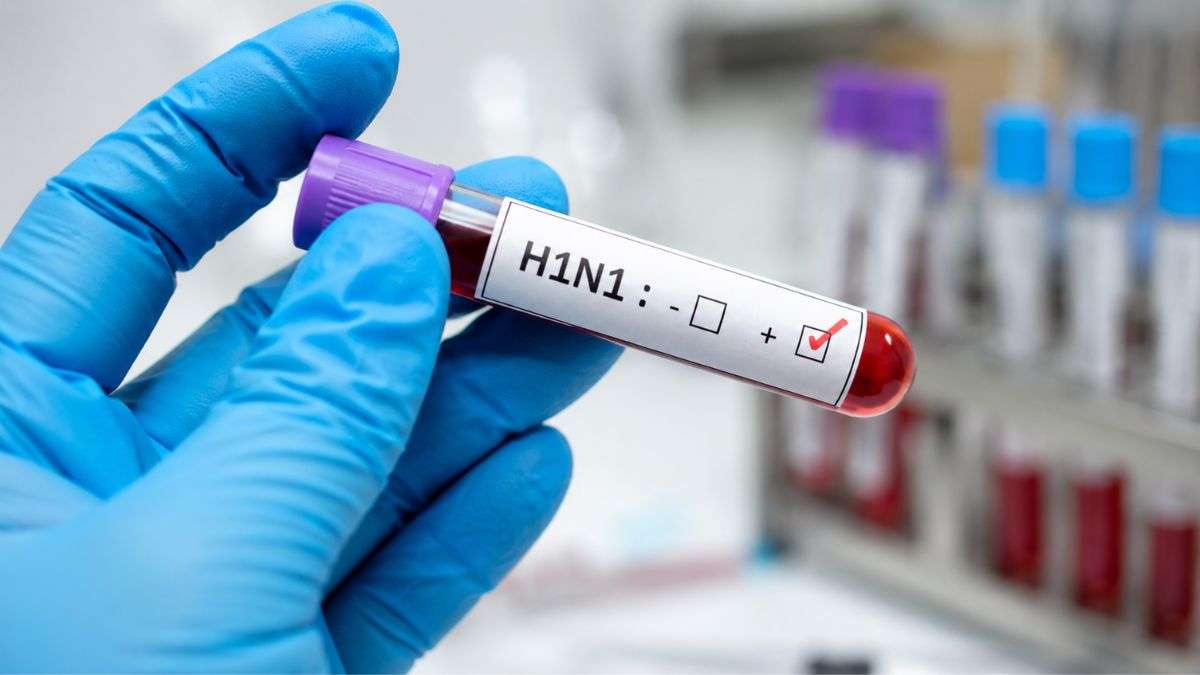
Why in News?
Several States are witnessing a rise in H1N1 (swine flu) cases along with other influenza-like illnesses and respiratory infections. Doctors, however, have advised that there is no need for alarm, while recommending greater attention to vulnerable groups such as children with asthma and people with chronic health conditions.
What is H1N1?
H1N1 is a subtype of Influenza A virus. It is commonly known as swine flu. The virus primarily causes a respiratory infection and can spread from person to person through respiratory droplets and close contact.
Common Symptoms
Typical symptoms of H1N1 infection include:
- Fever or chills
- Cough
- Sore throat
- Runny or blocked nose
- Headache
- Muscle and body aches
- Fatigue
- In some cases, nausea, vomiting or diarrhoea
Most infections are mild, but severe illness can occur in vulnerable individuals.
Who is More Vulnerable?
People who may be at greater risk of complications include:
- Young children
- Elderly people
- People with asthma
- People with diabetes
- People with chronic kidney disease
- People with other chronic medical conditions
- Individuals with weakened immunity
Children with asthma require particular attention because respiratory infections can aggravate existing breathing problems.
Why Are Cases Increasing?
- Doctors have linked the current rise partly to seasonal changes and weather conditions.
- During and after the monsoon, changes in temperature and increased respiratory-virus transmission can contribute to a rise in influenza-like illnesses. Recent medical reports from Delhi have also described an increase in patients with fever, cough, sore throat, body aches and other flu-like symptoms.
- However, the increase should be viewed as a seasonal rise in respiratory infections rather than an indication of a new pandemic.
Prevention
Important preventive measures include:
- Maintaining hand hygiene.
- Covering the mouth and nose while coughing or sneezing.
- Avoiding close contact when experiencing flu-like symptoms.
- Staying home or limiting contact with others when sick.
- Seeking medical advice when symptoms become severe.
- Considering seasonal influenza vaccination for eligible high-risk groups.