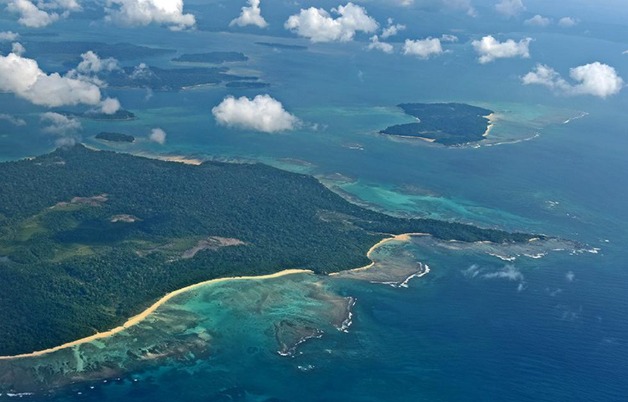
- The Great Nicobar Island Project is a multi-component mega development plan aimed at transforming Great Nicobar into a logistics, trade, and defence hub that strengthens India’s presence in the Indian Ocean.
- Planned in compliance with the EIA Notification 2006 and Shompen Policy 2015, the project seeks to balance infrastructure growth with environmental sustainability and tribal welfare.
- Key components include a world-class International Container Transhipment Terminal (ICTT) with a 14.2 million TEU capacity to reduce dependence on Colombo and Singapore, a Greenfield International Airport to boost tourism and defence preparedness, a 450 MVA gas-plus-solar power plant for energy security, and an integrated township spread over 16,610 hectares.
- The project is scheduled to unfold in three phases from 2025 to 2047, enabling adaptive planning and minimising ecological stress.
- Strategically located near the Malacca Strait, the island provides India with a vantage point over one of the busiest global shipping routes, reinforcing maritime security and economic competitiveness.
- The ICTT alone is expected to save $200–300 million annually in transhipment costs, while the project will generate thousands of jobs and promote eco-tourism-led livelihoods under the blue economy framework.
- However, challenges remain. Diversion of 1.82% forest land could endanger endemic species and leatherback turtle nesting grounds.
- Safeguarding the rights and culture of Shompen and Nicobarese tribes, ensuring resilience against seismic and cyclone risks, and managing high logistical costs are critical. Global environmental groups are also expected to scrutinise the project for biodiversity and climate impacts.
- The way forward lies in rigorous EIA monitoring with real-time satellite data, inclusive community participation, adoption of green infrastructure, and climate-resilient planning.
- Strategic partnerships under India’s SAGAR vision and platforms like Quad and BIMSTEC could further enhance the project’s reach and security role.
Limited-time offerGet up to 75% OFFGrab the offer
Great Nicobar Island Project: India’s Mega Development Plan in the Indian Ocean
A multi-component initiative to transform Great Nicobar into a global logistics, trade, and defence hub while balancing growth with ecological and tribal safegu
Check your eligibility now