
Why In News
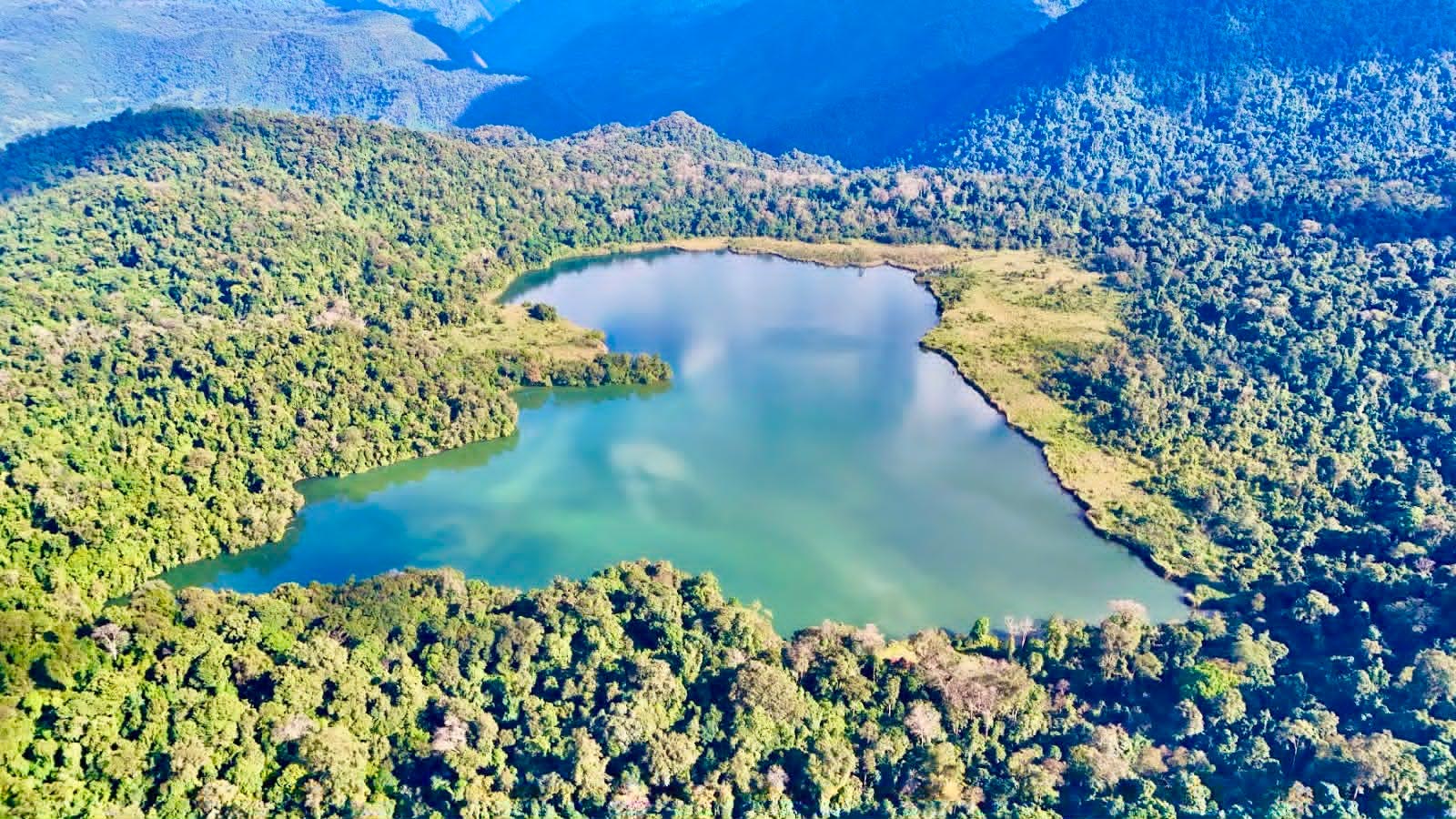
Glaw Lake in Arunachal Pradesh has been declared a Ramsar site. It is the state's first and India's 101st Ramsar site. The announcement was made on August 3, 2026 by the Union Minister for Environment, Forest and Climate Change Bhupender Yadav.
Importance
- It is Arunachal’s first internationally recognised wetland.
- It will lead to better conservation of Eastern Himalayan sensitive wetlands.
- This step will strengthen efforts of biodiversity conservation, water safety and climate change.
- With its inclusion in Ramsar list it will create new opportunities for scientific research, eco-tourism and livelihood for local communities.
Key Highlights
- Glaw Lake has become Arunachal Pradesh's first Ramsar site.
- After this the total number of Ramsar sites in India has reached 101.
- The lake is located within the Kamlang Tiger Reserve and Wildlife Sanctuary.
- This is a natural freshwater wetland.
- The lake is fed by perennial streams and is surrounded by dense forests.
- More than 150 tree species and 49 orchid species are found in this area.
- It provides a vital natural habitat for diverse flora, birds, and wildlife.
- Ramsar status will boost conservation, research and sustainable development activities in the region.
Static Fact
Tamil Nadu has the highest number of Ramsar sites in India with 20 designated wetlands. Uttar Pradesh follows in second place with 13 sites.
About Ramsar Site
A Ramsar Site is a wetland recognised as being of international importance under the Ramsar Convention, an international treaty adopted in 1971 at Ramsar, Iran. The Convention provides a global framework for conserving wetlands and promoting their wise use through national policies, international cooperation and sustainable management practices.
Objectives of the Ramsar Convention
- To conserve wetlands that are internationally important.
- To promote the sustainable and wise use of wetland resources.
- To protect biodiversity and critical wildlife habitats.
- To improve water security and maintain ecological balance.
- To strengthen resilience against climate change.