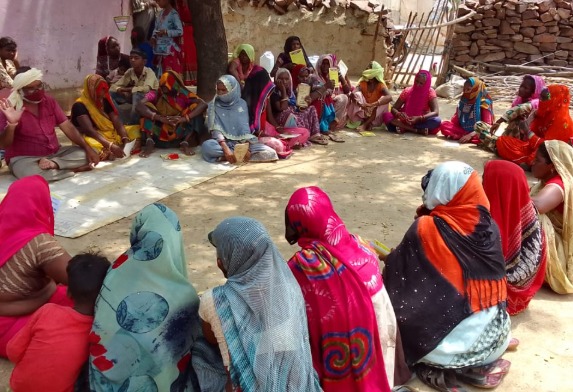
- A recent genetic study has revealed a possible genetic connection to the unusually high prevalence of tuberculosis (TB) among the Sahariya tribe, one of India’s Particularly Vulnerable Tribal Groups (PVTGs).
- Spread across Madhya Pradesh, Rajasthan, and parts of Uttar Pradesh, the Sahariyas number around six lakh (Census 2011) and are among the most disadvantaged tribal populations in the country.
- Known for their forest-based livelihood, the Sahariyas live in clustered settlements called Seharana and sustain themselves through forest produce, small-scale farming, and wage labour.
- They are culturally rich, with unique traditions like the Saharia Swang dance performed during Holi.
- However, poor living conditions, seasonal migration, and limited access to healthcare have made them highly vulnerable to health challenges, including tuberculosis.
- The findings of the study highlight the urgent need for targeted healthcare interventions, improved access to medical facilities, and better living conditions for the Sahariya community.
Limited-time offerGet up to 75% OFFGrab the offer
Genetic Study Links High TB Rates to Sahariya Tribe in Central India
Researchers uncover possible genetic predisposition among the Particularly Vulnerable Tribal Group (PVTG), raising health concerns
Check your eligibility now