Why in News?
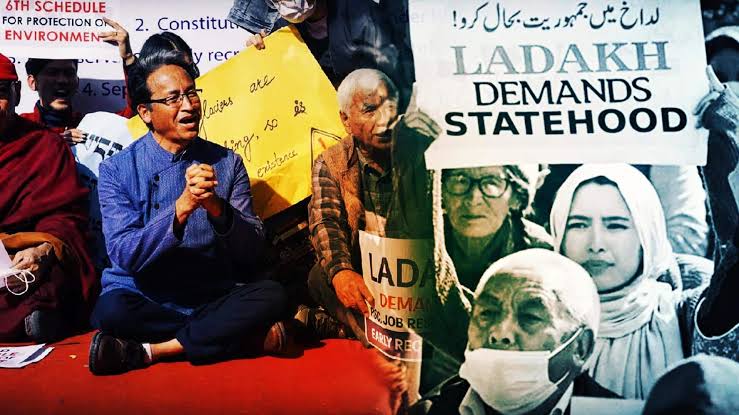
- Noida Police recently registered a Zero FIR against a woman over alleged remarks made against the Prime Minister during a protest at Delhi's Jantar Mantar.
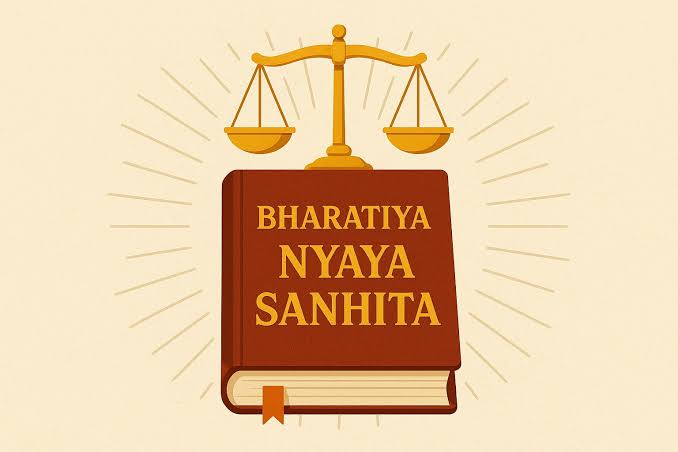
- The FIR invokes Sections 352, 353(1) and 356(1) of the Bharatiya Nyaya Sanhita (BNS), leading to a debate on the legal limits of free speech, defamation and obscenity in India.
Importance
- The case highlights the balance between the right to freedom of speech and expression under Article 19(1)(a) and the reasonable restrictions under Article 19(2) of the Constitution.
- It explains the legal distinction between criticism, intentional insult, public mischief, defamation and obscenity under the Bharatiya Nyaya Sanhita.
- It is important for understanding how courts interpret offensive speech while protecting democratic expression and public order.
Key Highlights
- Zero FIR: The concept of Zero FIR was recommended by the Justice Verma Committee after the 2012 Nirbhaya case. A Zero FIR can be registered at any police station regardless of where the crime occurred. The case is then transferred to the police station that has the right to handle it.
- Section 352 (Intentional Insult): This section applies only when an insult is intended, or is likely, to provoke a breach of public peace. Mere offensive or abusive language does not automatically attract this provision.
- Section 353(1) (Public Mischief): This section applies to statements that incite offenses against the State or spread enmity between communities. It does not usually apply to criticism of leaders.
- Section 356(1) (Defamation): This section deals with defamation. It also has exceptions for good faith and fair comment about public officials.
- Obscenity under BNS: Section 296 punishes obscene acts or words in a public place that cause annoyance. Courts have consistently distinguished obscenity from vulgarity, abusive language or profanity.
- Recent Judicial View: The Telangana High Court (2025) said that harsh social media posts against a political party do not attract Sections 352 or 353 unless they pose a real threat to public order.
Static Fact
Zero FIR
- A Zero FIR can be registered at any police station irrespective of territorial jurisdiction.
- It enables immediate registration of serious complaints and is later transferred to the police station having jurisdiction.
- The concept was recommended by the Justice Verma Committee (2013) following the 2012 Nirbhaya case.
Obscenity in Indian Law
- Section 296 of the Bharatiya Nyaya Sanhita penalizes obscene acts or words in public places.
- In Ranjit D. Udeshi v. State of Maharashtra (1965), the Supreme Court adopted the Hicklin Test to determine obscenity.
- In Aveek Sarkar v. State of West Bengal (2014), the Supreme Court replaced the Hicklin Test with the Community Standards Test.
- In College Romance (2024) and Mani v. State (2026), the Supreme Court clarified that vulgarity or profanity alone does not amount to obscenity unless it contains a clear sexual element or appeals to prurient interests.