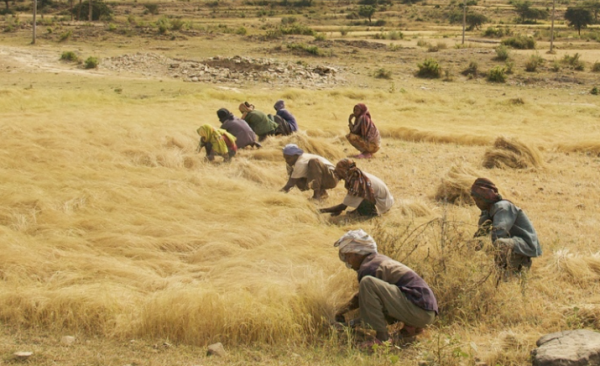
- Recent reports show that free trade agreements (FTAs) are increasingly imposing strict intellectual property rules on seeds and biodiversity, threatening farmers’ traditional rights.
- हाल ही की रिपोर्टों में बताया गया है कि मुक्त व्यापार समझौते (FTAs) बीजों और जैव विविधता पर कड़े बौद्धिक संपदा नियम लागू कर रहे हैं, जिससे किसानों के पारंपरिक अधिकार खतरे में हैं।
- The 1991 UPOV Convention grants companies exclusive rights over new crop varieties for 20-25 years, restricting farmers from saving or reusing seeds.
- 1991 के UPOV सम्मेलन के तहत कंपनियों को नई फसल किस्मों पर 20-25 वर्षों के लिए विशेष अधिकार मिलते हैं, जिससे किसानों के लिए बीज बचाने या पुनः उपयोग करने की अनुमति सीमित हो जाती है।
- FTAs often push countries, especially in the global South, to adopt UPOV-aligned laws beyond WTO requirements.
- FTAs अक्सर देशों, विशेषकर वैश्विक दक्षिण के देशों को WTO की आवश्यकताओं से परे UPOV-संगत कानून अपनाने के लिए बाध्य करते हैं।
- Key players enforcing UPOV rules include the US, EU, Australia, Japan, and increasingly, the UAE, affecting seed sovereignty and farmers’ independence.
- UPOV नियम लागू करने वाले प्रमुख खिलाड़ी अमेरिका, यूरोपीय संघ, ऑस्ट्रेलिया, जापान और हाल ही में UAE हैं, जो बीज संप्रभुता और किसानों की स्वतंत्रता को प्रभावित करते हैं।
- Additional FTA measures, like plant patents and Budapest Treaty compliance, further enhance corporate control over biodiversity, bypassing public debate.
- बीजों और जैव विविधता पर कॉर्पोरेट नियंत्रण बढ़ाने के लिए FTAs में प्लांट पेटेंट और Budapest संधि जैसी अतिरिक्त व्यवस्थाएँ शामिल हैं, जो सार्वजनिक बहस को दरकिनार करती हैं।
Limited-time offerGet up to 75% OFFGrab the offer
Free Trade Agreements Threaten Farmers’ Seed Rights
Trade Report: FTAs Enforce Strict Seed Patents ...
Check your eligibility now