El Salvador’s Electoral Overhaul and Its Global Implications:
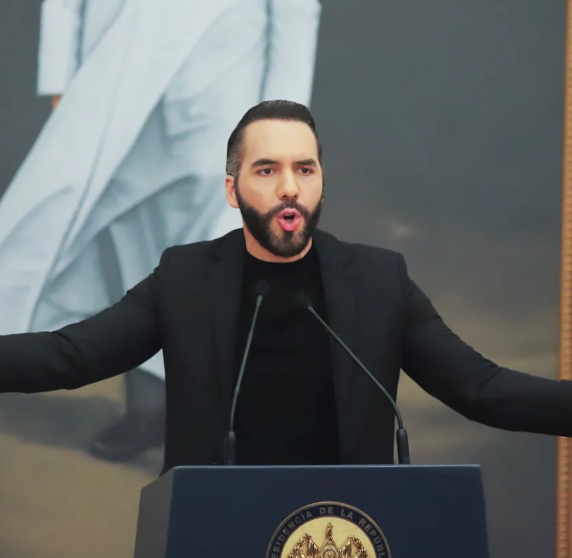
- El Salvador’s Congress, dominated by President Nayib Bukele’s New Ideas party, passed a constitutional amendment with a 57–3 vote, allowing indefinite presidential re-election, extending presidential terms from five to six years, and eliminating election run-offs.
- This move, fast-tracked without public debate, has raised alarms about democratic backsliding in the Central American nation.
Constitutional Reform:
- Indefinite Reelection: The reform removes presidential term limits, enabling Bukele, who won a second term in 2024 despite a constitutional ban, to run indefinitely. A 2021 Supreme Court ruling, backed by Bukele-appointed justices, had already permitted his second term, citing it as a “human right.”
- Extended Terms: Presidential terms are extended from five to six years, aligning with a new electoral schedule.
- Election Changes: The second round of presidential elections, where top candidates face off, is scrapped, consolidating power further. Bukele’s current term, set to end June 1, 2029, will conclude early on June 1, 2027, to synchronize presidential, legislative, and municipal elections.
- Legislative Process: Proposed by New Ideas lawmaker Ana Figueroa, the changes to five constitutional articles were approved in a single late-night session, criticized for lacking transparency. A second ratification vote is required, expected to pass given New Ideas’ supermajority (54 of 60 seats).
About El Salvador:
- Geography: A small, mountainous Central American nation bordered by Honduras (northeast), Guatemala (northwest), and the Pacific Ocean (south). It is the only Central American country without a Caribbean coast.
- Topography: Dominated by the Sierra Madre volcanic chain, including volcanoes like San Salvador, Ilopango, and San Vicente. The highest point, Cerro El Pital (2,730 m), lies on the Honduras border.
- Rivers and Lakes: The Lempa River is a key geographical feature, with major lakes including Ilopango, Coatepeque, and Güija.
- Climate: Tropical, moderated by elevation, with warm rather than hot conditions in the interior.
- Capital: San Salvador, the political and economic hub.
Strategic and Political Implications:
- Bukele’s Popularity: Bukele’s approval ratings, often exceeding 80%, stem from his aggressive anti-gang crackdown, reducing homicide rates significantly. Over 75,000 arrests under a prolonged “state of exception” have made El Salvador one of Latin America’s safest countries, though at the cost of reported human rights abuses, including arbitrary detentions.
- Democratic Concerns: Critics, including opposition lawmaker Marcela Villatoro (ARENA), declared, “Democracy in El Salvador has died!” The reform is seen as entrenching one-party rule, with risks of corruption, nepotism, and weakened democratic institutions. Human Rights Watch compares El Salvador’s trajectory to Venezuela’s under Hugo Chávez.
- Regional Influence: Bukele’s model, blending populist appeal with authoritarian tactics, inspires right-wing leaders in Latin America and aligns with U.S. President Donald Trump’s MAGA movement. His cooperation with Trump on deportations, including imprisoning MS-13 leaders, has secured U.S. support, with $5 million in aid.
- Human Rights Backlash: The arrests of critical lawyers and the relocation of human rights group Cristosal out of El Salvador in July 2025 highlight a “wave of repression.” Critics argue the reforms, passed during a holiday period, evade public scrutiny.
Challenges:
- Authoritarianism Risks: Indefinite reelection consolidates power, potentially leading to a dictatorship, as warned by activists like Noah Bullock of Cristosal.
- Human Rights Violations: Mass detentions and suspension of due process under Bukele’s anti-gang measures have drawn international criticism, with reports of torture and lack of medical care in prisons like CECOT.
- Electoral Integrity: The rushed legislative process and Bukele’s control over institutions, including the Supreme Court since 2021, undermine checks and balances.
- Governance and Democracy: The reform highlights the fragility of democratic institutions in populist regimes, a key theme in comparative politics.
- International Relations: Bukele’s alignment with Trump and his influence on Latin American politics reflect shifting regional dynamics, relevant to India’s foreign policy in the Americas.
- Human Rights: The trade-off between security and civil liberties is a critical case study for global governance and ethics.
- Geopolitics: El Salvador’s model of centralized power may influence other nations, impacting regional stability and India’s strategic interests in Latin America.
Conclusion:
- El Salvador’s constitutional reform, enabling indefinite presidential re-election, marks a pivotal shift toward authoritarianism under Nayib Bukele, driven by his popular anti-gang policies.
- While enhancing security, the move threatens democratic norms, drawing parallels to Venezuela’s decline.