
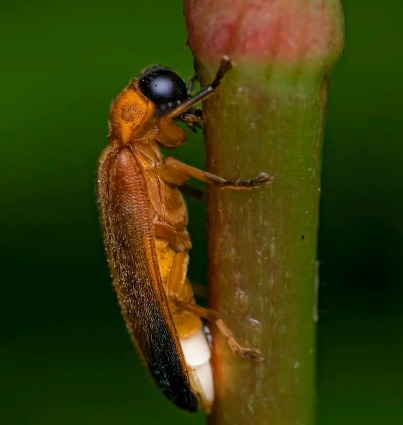
- A year-long study conducted by the Tamil Nadu Forest Department has identified at least eight species of fireflies illuminating the forests of the Anamalai Tiger Reserve (ATR).
- The discovery underlines the reserve’s rich biodiversity and ecological importance, while also drawing attention to the need for preserving such fragile habitats.
About Anamalai Tiger Reserve:
- The Anamalai Tiger Reserve is a protected area situated at an altitude of 1,400 metres in the Anamalai Hills of Pollachi and Coimbatore districts of Tamil Nadu. Declared a tiger reserve in 2007, it forms part of the Southern Western Ghats, lying south of the Palakkad Gap.
- It shares boundaries with major conservation zones, including the Parambikulam Tiger Reserve (Kerala), Chinnar Wildlife Sanctuary, and Eravikulam National Park, along with reserved forests of Nenmara, Vazhachal, Malayattur, and Marayur in Kerala.
Ecology and Communities
- ATR is home to six indigenous communities-Kadar, Muduvar, Malasar, Malai Malasar, Eravalar, and Pulayar-who live in close association with the forests. Its ecosystem supports varied vegetation types such as wet evergreen, semi-evergreen, moist and dry deciduous, thorn forests, sholas, montane grasslands, savannahs, and marshy grasslands.
Flora and Fauna:
- The reserve harbours wild relatives of cultivated plants like mango, jackfruit, wild plantain, turmeric, ginger, pepper, and cardamom, making it a genetic treasure trove.
- Fauna includes the tiger, Asiatic elephant, leopard, sambar, spotted deer, barking deer, jackal, and jungle cat, among others.
Significance of the Firefly Study:
- The documentation of eight firefly species adds to ATR’s ecological profile, highlighting the importance of conserving lesser-studied species that contribute to the forest’s natural balance.
- Experts suggest the study could open avenues for eco-tourism and citizen science projects while stressing the need for sustainable management to protect both iconic wildlife and micro-fauna.