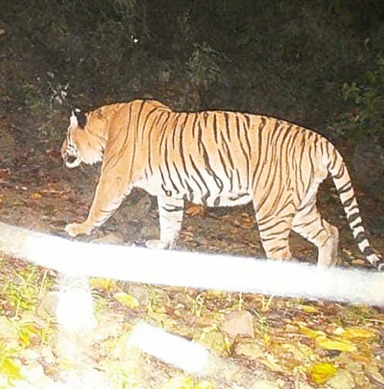
- Corbett Tiger Reserve, India’s first national park established in 1936, has once again reinforced its reputation as the country’s premier tiger habitat.
- According to the latest annual survey conducted by the Uttarakhand forest department in the Ramnagar division adjoining the reserve, the tiger population has shown a sharp increase over the last three years. This encouraging rise reflects both the ecological richness of the reserve and the conservation measures undertaken under Project Tiger.
- Located in the foothills of the Himalayas in Uttarakhand, Corbett Tiger Reserve was originally known as Hailey National Park before being renamed.
- It was the first national park to be brought under the government’s ambitious Project Tiger initiative, making it a cornerstone of India’s wildlife conservation efforts. The reserve is spread across the Bhabar and lower Shivalik regions, where the terrain is rugged and undulating, marked by valleys and river systems.
- The Ramganga, Pallaen, and Sonanadi rivers cut through the park’s landscape, sustaining its dense forests and diverse fauna.
- The porous soil structure, with its boulders and sandy deposits, supports a deep-water table, further enhancing the ecosystem.
- The vegetation in Corbett comprises North Indian tropical moist and dry deciduous forests, with vast stretches of sal and mixed forest cover interspersed with grasslands and riparian belts.
- The grasslands, locally known as Chaur, are largely the product of old settlements and cleared tracts that have since been reclaimed by nature. The reserve’s flora includes extensive stretches of evergreen sal along with sheesham and kanju trees on its ridges.
- Corbett is equally renowned for its diverse wildlife. Apart from being a prime habitat for tigers and elephants, the reserve is home to leopards, sambar deer, hog deer, spotted deer, and a wide range of other species that thrive in its mosaic of forests and grasslands.
- This rich biodiversity has made Corbett one of the most visited and closely studied reserves in the country.
- The sharp rise in tiger numbers reported in the Ramnagar division survey highlights the effectiveness of conservation efforts and habitat protection in the region.
- It also underscores the importance of continued monitoring and responsible tourism to sustain these gains.
- With its historical legacy as India’s first national park and its ongoing role as a frontline tiger reserve, Corbett remains central to India’s efforts to safeguard its most iconic predator and the fragile ecosystems it inhabits.
Limited-time offerGet up to 75% OFFGrab the offer
Corbett Tiger Reserve Records Sharp Rise in Tiger Numbers in Latest Survey
India’s first national park and pioneer under Project Tiger continues to be a stronghold of big cats in Uttarakhand
Check your eligibility now