Why in News?
India’s Census 2027 is set to introduce a major change by including an open-ended caste question in the population census for the first time since Independence. Ladakh and other snow-bound regions will begin the enumeration process ahead of the rest of the country so that the exercise can be completed before the onset of winter. According to the gazette notification issued on August 3 by the Registrar General and Census Commissioner of India, self-enumeration will run from August 17 to 31, 2026 followed by house-to-house population enumeration from September 1 to 30.
Key Highlights
- Caste Enumeration: Census 2027 will include an open-ended caste question, allowing respondents to state their caste rather than selecting from a fixed list.
- Recording of Caste: The enumerator will record the caste name as declared by the respondent.
- Ladakh First: Ladakh will undertake enumeration earlier because several parts of the region become difficult to access during winter.
- Digital Census: Census 2027 will be India's first fully digital census, although certain sensitive defence areas in Ladakh will use paper schedules.
- Defence Areas: Defence establishments near the borders with China and Pakistan will not be geo-tagged due to security considerations.
- Statutory Census Data: Unlike a separate survey, caste information collected as part of the official Census will have the statutory backing of the Census Act.
Why is Caste Enumeration Significant?
- India has not conducted a comprehensive caste enumeration of the entire population through the regular Census since 1931. While the 2011 Socio-Economic and Caste Census (SECC) collected caste-related information, its caste data was not fully released, partly because of concerns regarding methodology, accuracy and classification.
- Census 2027 therefore represents a significant shift. By making caste enumeration part of the official Census, the government will create a large-scale demographic dataset on caste identities across the country.
- Such information could provide a more detailed understanding of India's social composition, inequalities and patterns of development.
Challenges in Caste Enumeration
- Recording caste through an open-ended question can be complicated because communities may use different names, spellings and regional identities for the same or related groups.
- The experience of the 2011 SECC, which reportedly generated millions of different caste-name entries, illustrates the scale of this challenge.
- The Census authorities will therefore have to ensure standardised data processing, accurate recording and proper classification while preserving the identity reported by respondents.
About Census 2027
- Census 2027 will mark India’s first digital enumeration, leveraging mobile-based data collection to enable faster and more efficient nationwide data availability.
- It will be the 16th in the series of Indian census and 8th since independence.
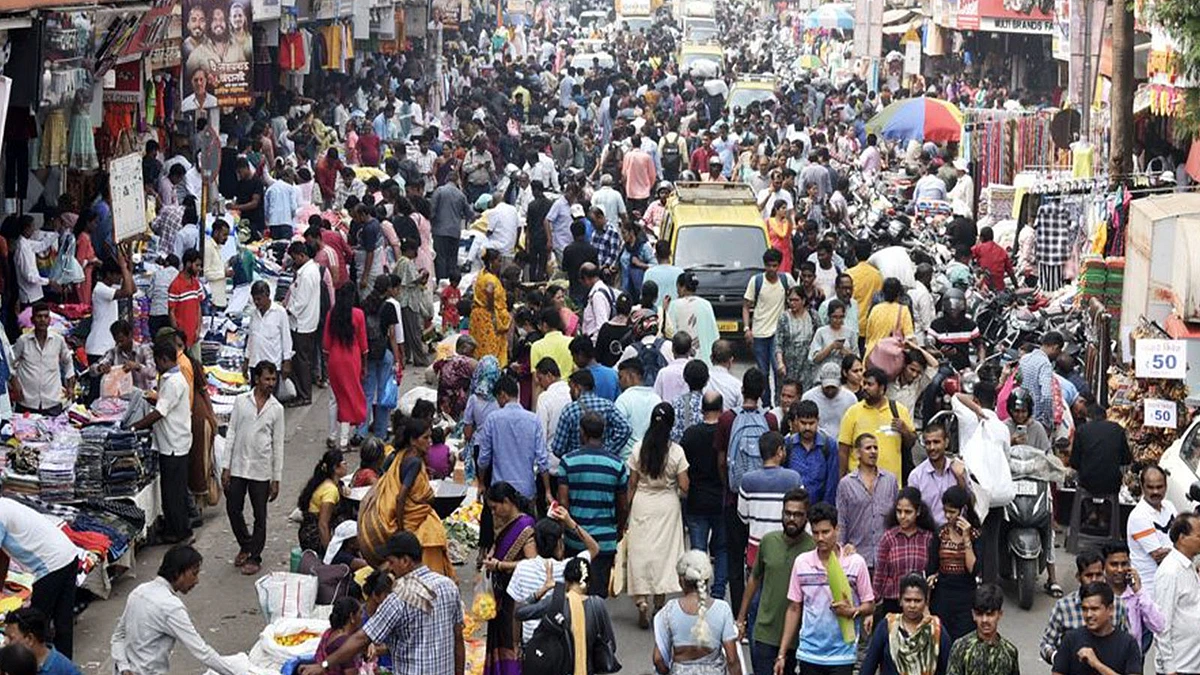
- This will be the largest census exercise in the world and marks a major step forward with digital integration, strengthened data security, and streamlining processes, reinforcing evidence-based policymaking.