Why in News?
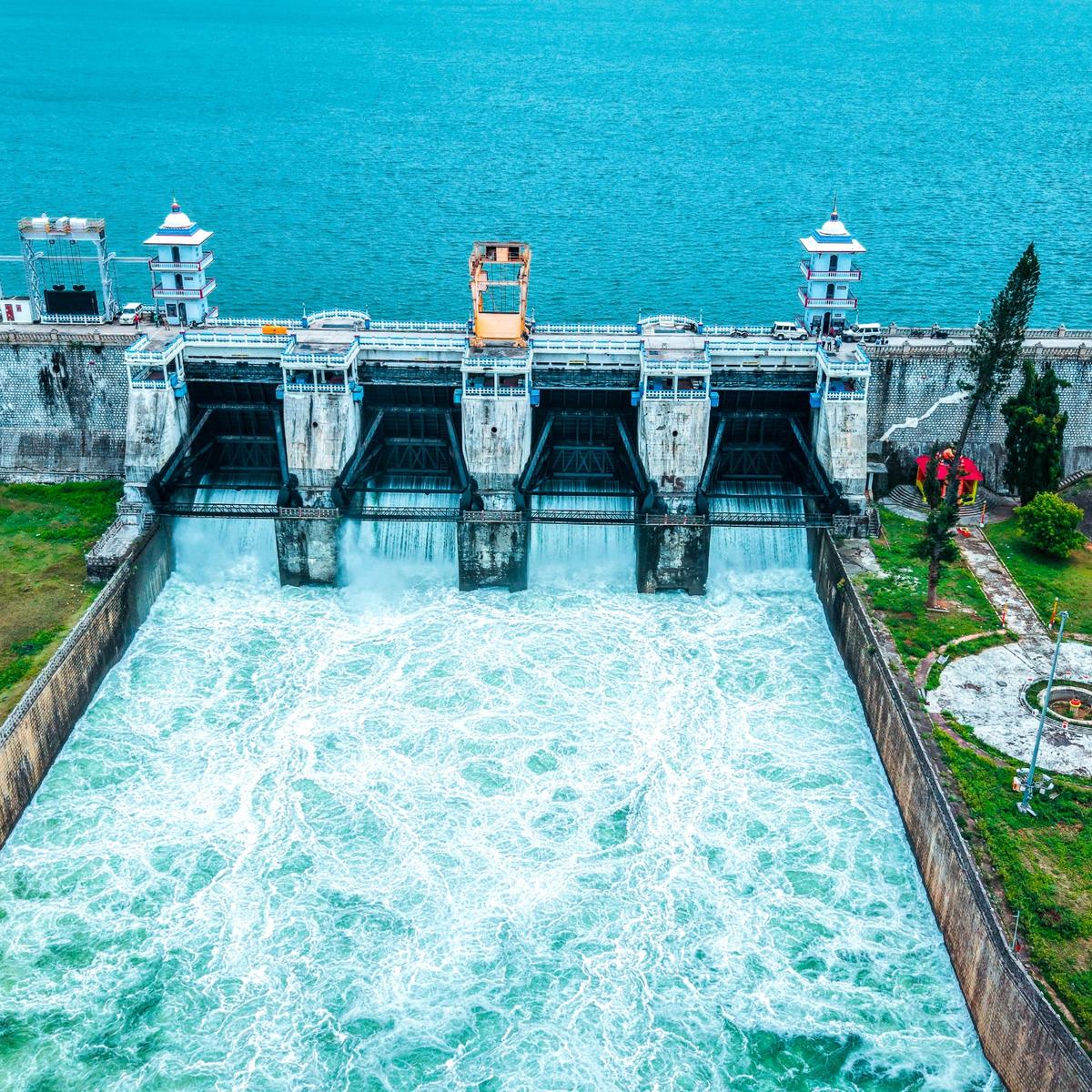
- The Cauvery Water Management Authority (CWMA) has directed Karnataka to release 3,500 cusecs (about 4.5 TMC ft) of water to Tamil Nadu.
Importance
- Ensures that the Cauvery water-sharing arrangement actually functions in practice.
- Also demonstrate how difficult inter-state river water sharing can get in distress years.
- Also exemplifies the cooperative federalism approach in managing shared river resources.
Key Highlights
- Decision made by CWMA: Recommendation made by Cauvery Water Regulation Committee's (CWRC), which asks for releasing 3,500 cusecs.
- Karnataka's Stand: Karnataka is not agreeable to the order. Karnataka claims about 60% short fall in reservoirs’ inflows and insufficient rain to irrigate its fields.
- Demand by Tamil Nadu: Wants 9.8 TMC ft instead and argues that the quantity allocated is inadequate.
- Mekedatu Project: As usual Tamil Nadu objected to Karnataka's Mekedatu Balancing Reservoir Project project proposed by Karnataka, asking Centre to delay the process of giving approvals.
- Supreme Court (2018): It was the order from the Supreme Court in 2018 which created CWMA and CWRC to ensure the implementation of the Cauvery water-sharing arrangement.
Static Facts
- Cauvery Water Management Authority (CWMA)
- Formed in 2018 through Cauvery Water Management Scheme, 2018.
- Has statutory and quasi-judicial character formed under Inter-State River Water Disputes Act, 1956.
- Operates under the Ministry of Jal Shakti.
- Manages the implementation of the Cauvery Water Disputes Tribunal (CWDT) Award, amended by the Supreme Court in 2018.
About Cauvery River
- Cauvery River often called the "Ganga of the South"
- It is an east-flowing perennial river of Peninsular India.
- Origin: Talakaveri, Brahmagiri Hills, Kodagu (Karnataka).
- Mouth: flows into the Bay of Bengal near Poompuhar (Tamil Nadu).
- Drainage Basin: Karnataka, Tamil Nadu, Kerala, and Puducherry.
- Major Tributaries: Harangi, Hemavati, Shimsha, Arkavati (Left Bank), Lakshmana Tirtha, Kabini, Suvarnavathi, Bhavani, Noyyal, Amaravati (Right Bank).
- Major Dams: Krishna Raja Sagara (Karnataka) and Mettur Dam (Tamil Nadu).
- Protected Areas: Nagarhole National Park, Wayanad Wildlife Sanctuary and Sathyamangalam Tiger Reserve.