
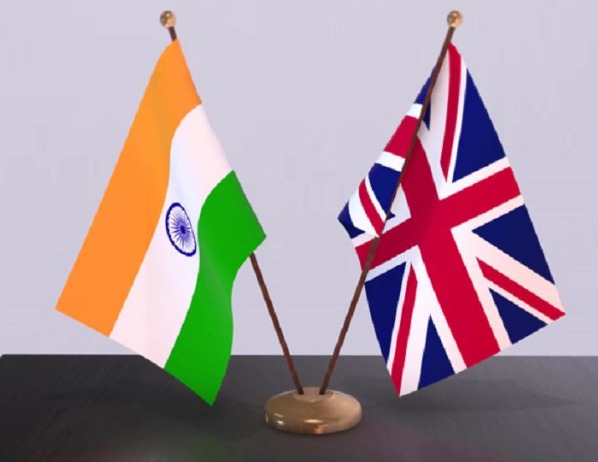
- The Union Cabinet has approved the India-UK Free Trade Agreement (FTA), officially titled the Comprehensive Economic and Trade Agreement (CETA). The pact is scheduled to be signed during Prime Minister Narendra Modi’s visit to London on July 24, 2025.
Background:
- Negotiations for the India-UK FTA started in January 2022, shortly after Brexit.
- A total of 14 formal negotiation rounds were held.
- Final agreement was concluded on May 6, 2025.
Provisions:
- Tariff elimination on over 90% of goods traded between the two countries.
- Enhanced market access for Indian services in sectors like IT, finance, and healthcare.
- Eased visa norms for Indian professionals and students.
- Lower import duties on UK automobiles, Scotch whisky, and select high-end goods.
- Stronger collaboration in intellectual property rights, digital trade, innovation, and sustainable development.
Significance:
- Expected to double bilateral trade to USD 120 billion by 2030.
- Boosts labour-intensive Indian exports like textiles, leather, jewelry, and processed foods.
- Encourages UK investments in Indian sectors such as fintech, renewable energy, and higher education.
- Enhances India's global trade footprint following FTAs with Australia (2022) and the UAE (2022).
- Reinforces strategic ties with a key G7 economy and strengthens India’s post-Brexit economic diplomacy.
Political & Strategic Impact:
- Reflects India’s shift towards bilateral trade frameworks over multilateral ones.
- Strengthens India’s voice in global trade platforms and G20 discussions.
- Aligns with India’s ambition to become a USD 5 trillion economy by 2027.