Bio-Fortified Potatoes and India’s Fight Against Hidden Hunger:
- India is addressing micronutrient deficiencies through bio-fortified potatoes enriched with iron, developed by the International Potato Center (CIP) in Peru, in collaboration with ICAR-Central Potato Research Institute (CPRI), Shimla.
- This initiative, alongside bio-fortified sweet potatoes, aims to combat hidden hunger and enhance food security.
Bio-Fortified Potatoes:
- Purpose: Combat iron deficiency using potatoes enriched with iron via conventional breeding and biotechnology, maintaining taste and yield.
- Development: CIP has shared iron-fortified potato germplasm with ICAR-CPRI. A variety released in Peru is under evaluation for Indian agro-climatic conditions.
- Regional Hub: CIP’s South Asia centre in Agra, Uttar Pradesh, will enhance R&D and seed access in the Indo-Gangetic plains, the world’s largest potato-producing region.
Bio-Fortified Sweet Potatoes:
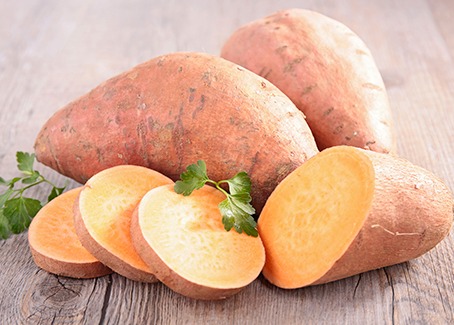
- Status: Vitamin A-enriched sweet potatoes are cultivated in Karnataka, Assam, West Bengal, and Odisha, with plans for nationwide expansion.
- Impact: Addresses Vitamin A deficiency, improving immunity and preventing blindness.
Biofortification in India:
- Definition: Enhancing nutrient content (iron, zinc, Vitamin A) in crops via breeding, agronomy, or biotechnology to address hidden hunger.
- ICAR’s Role: Released bio-fortified varieties across 61 crops, including:
- CR Dhan 416: Salinity-resistant rice with pest resistance.
- Durum Wheat: High in zinc (41.1 ppm), iron (38.5 ppm), and 12% protein.
- Advantages: Cost-effective, sustainable, and scalable, reducing reliance on supplements.
Agricultural and Economic Benefits:
- Sustainability: Bio-fortified potatoes require fewer agrochemicals, are climate-resilient, and leverage potatoes’ high iron bioavailability.
- Economic Impact: One-time investment lowers food costs and boosts farmer profitability through high-yielding, nutrient-rich varieties.
Challenges:
- Consumer Acceptance: Resistance to new crop appearances (e.g., orange-fleshed sweet potatoes) requires awareness campaigns.
- Dissemination: Robust seed systems and farmer access are critical.
- Dietary Diversity: Biofortification must complement, not replace, diverse diets.
- Public Health: Addresses iron and Vitamin A deficiencies, prevalent among women and children.
- Agriculture: Highlights CIP-ICAR collaboration and India’s cautious approach to GMOs, favoring conventional breeding.
- SDGs: Aligns with SDG 2 (Zero Hunger) and SDG 3 (Good Health).
- Policy: Integration into public programs (e.g., mid-day meals) and seed system improvements are key focus areas.
Conclusion:
- Bio-fortified potatoes and sweet potatoes, led by CIP and ICAR, offer a sustainable solution to India’s micronutrient deficiencies.
- The Agra centre will boost potato productivity and nutrition, particularly in the Indo-Gangetic plains. For UPSC aspirants, this initiative underscores the intersection of agriculture, health, and policy, making it a critical study area.