Why in News?
- Kerala's rubber plantations are under threat from a dangerous association between the ambrosia beetle (Euplatypus parallelus) and Fusarium fungi (F. ambrosia and F. solani).
- The infestation is affecting tree health, latex yield, and the broader ecosystem.
Pathogenesis and Impact:
- Ambrosia beetles bore into tree trunks and introduce Fusarium fungi into the xylem.
- The fungi block water transport, causing:
- Premature leaf fall
- Trunk drying
- Reduced latex yield
- Eventual tree death
- Infected trees show tissue damage and slow healing capacity.
Ecological and Health Concerns:
- Ambrosia beetles threaten over 80 broadleaf species like cashew, teak, coconut, and coffee.
- Fusarium fungi pose health risks to immunocompromised humans, and also affect animals and plants.
- The threat could intensify if beetles associate with more virulent fungi, expanding their ecological impact.
Control Challenges and Mitigation:
- Fungal spread via tissues, soil, and beetles
- Suppression of beneficial microbes in infected zones
- Mitigation measures include:
- Beetle traps
- Removal of infected plant parts
- Use of antifungal agents
- Biocontrol strategies using:
- Antagonistic fungi
- Microbial consortia
- Genetically modified (GM) rubber plants
Rubber:
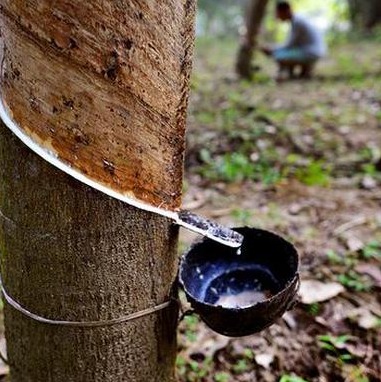
- Natural rubber is extracted from the latex of Hevea brasiliensis (rubber tree).
India's Global Ranking:
- 3rd largest producer
- 4th largest consumer of natural rubber
- 5th largest consumer of combined natural + synthetic rubber
Producing States:
- Kerala: Contributes around 90% of India's production
- Tripura: Around 9%
- Ideal Growing Conditions:
- Temperature: 20°C to 35°C
- Rainfall: Above 200 cm annually
- Soil: Loamy or laterite
- Terrain: Elevated or sloped areas
Conclusion:
- The beetle-fungus complex poses a significant agricultural and ecological threat to Kerala’s rubber industry.
- Addressing it requires integrated pest management, biological innovation, and continuous monitoring to protect India’s rubber economy and associated biodiversity.