Why is it in the news?
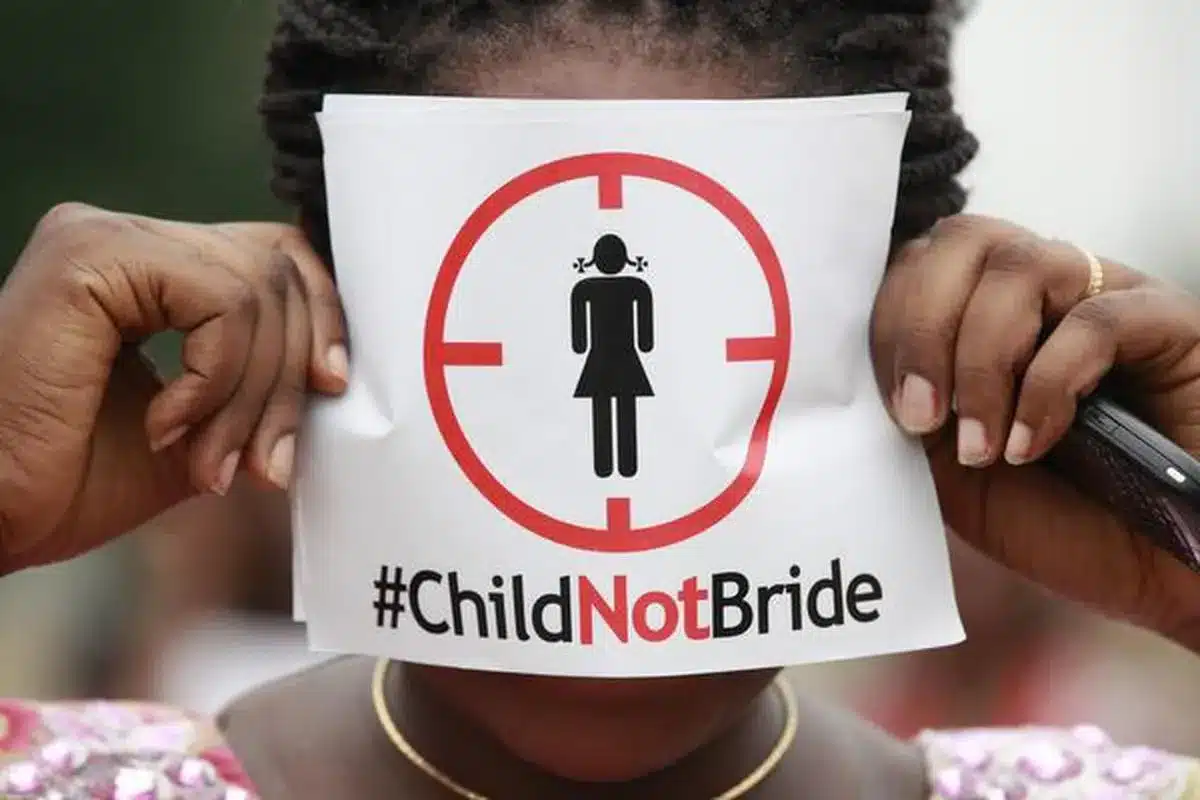
→ One year of Bal Vivah Mukt Bharat Abhiyan marked with a nationwide 100-day awareness campaign.
→ Reaffirmed India’s commitment to end child marriage by 2030 in line with SDG 5.3.
Category: Polity
Important Points
- Launched in 2024 by the Ministry of Women and Child Development to make India child-marriage free by 2030.
- Aims to reduce child marriage prevalence by 10% by 2026 and eliminate it by 2030.
- Shift from purely legal response to preventive, community-driven and technology-enabled strategy.
- Grounded in Article 21 and Prohibition of Child Marriage Act (PCMA), 2006.
- The Supreme Court (Society for Enlightenment & Voluntary Action case, 2024) banned child betrothals and stressed prevention.
- Defines child marriage as girl below 18 years or boy below 21 years.
- Key components: Child Marriage Prohibition Officers, BVMB portal, schools, Anganwadis, Panchayats, NGOs, youth and religious leaders.
- UNICEF provides technical support.
- Balod (Chhattisgarh) became India’s first child marriage-free district; Surajpur declared 75 child-marriage free panchayats.
- Under Bharatiya Nyaya Sanhita, 2023, sex with wife below 18 amounts to rape; covered under POCSO Act, 2012.
- Global estimate (2023): ~64 crore girls married in childhood.
- India reduced child marriage from 47.4% (2005–06) to 23.3% (2019–21, NFHS-5) but still accounts for nearly one-third of global child brides.
- Highest prevalence: West Bengal, Bihar, Tripura; lowest: Lakshadweep, J&K, Ladakh, Himachal Pradesh, Goa, Nagaland.
- Strong disparities by education and income (48% with no education vs 4% with higher education).