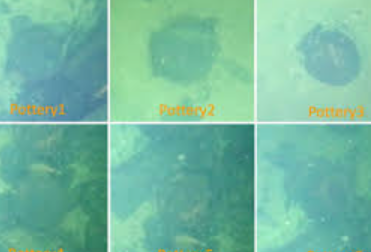
- A remarkable archaeological discovery beneath Japan’s Lake Biwa has revealed one of the world’s oldest and best-preserved pottery vessels, dating back more than 10,000 years. Unearthed from the Tsuzuraozaki underwater ruins, the artefact is offering new insight into the early Jomon period and reshaping our understanding of prehistoric Japan’s ceramic craftsmanship.
- जापान की लेक बीवा के नीचे हुई एक अद्भुत पुरातात्विक खोज में दुनिया के सबसे पुराने और सुरक्षित मिट्टी के बर्तनों में से एक मिला है, जिसकी उम्र 10,000 वर्षों से भी अधिक है। त्सुजुराओज़ाकी के पानी के नीचे स्थित अवशेषों से प्राप्त यह कलाकृति प्रारंभिक जोमोन काल के बारे में नई जानकारियाँ दे रही है और प्रागैतिहासिक जापान की मिट्टी कला की समझ को बदल रही है।
- In October, Japanese archaeologists retrieved a finely preserved pottery vessel from 64 metres beneath Lake Biwa. Measuring 25 centimetres in height, it dates to the early Jomon period and serves as a crucial link to Japan’s earliest settled communities. Its exceptional preservation is attributed to the lake’s protective environment, which has safeguarded artefacts for thousands of years. The Tsuzuraozaki site, first investigated in the 1920s, has long fascinated researchers due to its submerged traces of prehistoric human activity.
- अक्टूबर में, जापानी पुरातत्वविदों ने लेक बीवा की 64 मीटर गहराई से एक उत्कृष्ट रूप से संरक्षित मिट्टी का बर्तन प्राप्त किया। 25 सेंटीमीटर ऊँचा यह बर्तन प्रारंभिक जोमोन काल का है और जापान के शुरुआती स्थायी समुदायों से एक महत्वपूर्ण जुड़ाव दर्शाता है। इसका असाधारण संरक्षण झील के ऐसे वातावरण के कारण संभव हुआ, जिसने हजारों वर्षों तक कलाकृतियों को क्षति से बचाए रखा। त्सुजुराओज़ाकी स्थल, जिसका पहली बार अध्ययन 1920 के दशक में हुआ था, प्रागैतिहासिक मानव गतिविधि के डूबे हुए प्रमाणों के कारण लंबे समय से शोधकर्ताओं को आकर्षित करता रहा है।
- The vessel is part of the Jomon pottery tradition—one of the earliest ceramic cultures in human history. Originating more than 10,000 years ago, Jomon pottery symbolised a shift from nomadic lifestyles to more settled societies. Experts suggest the newly found piece may belong to the Jinguji-style or Konami Upper-layer tradition, known for refined forms and intricate engravings. These early ceramics were not only utilitarian but also carried cultural and symbolic meaning, reflecting the growing aesthetic sensibilities of ancient Japanese communities.
- यह बर्तन जोमोन मिट्टी कला परंपरा का हिस्सा है—जो मानव इतिहास की सबसे शुरुआती सिरेमिक संस्कृतियों में से एक है। 10,000 वर्षों से भी पहले उभरी यह परंपरा घुमंतू जीवनशैली से स्थायी बस्तियों की ओर परिवर्तन का प्रतीक थी। विशेषज्ञों का मानना है कि यह बर्तन जिंगूजी-शैली या कोनामी अपर-लेयर परंपरा से संबंधित हो सकता है, जो जटिल नक्काशी और सुघड़ आकारों के लिए प्रसिद्ध है। यह प्रारंभिक सिरेमिक केवल उपयोगी वस्तुएँ नहीं थीं, बल्कि सांस्कृतिक और प्रतीकात्मक महत्व भी रखती थीं, जो प्राचीन जापानी समुदायों की विकसित होती सौंदर्य दृष्टि को दर्शाती हैं।
- The discovery was made possible through advanced technologies such as autonomous underwater vehicles (AUVs) and high-resolution 3D sonar mapping. These tools, originally designed for marine engineering, allowed researchers to explore deep and previously unreachable regions of the lakebed. Innovations in robotics, artificial intelligence and sonar imaging have now become vital in underwater archaeology, enabling precise and safe study of submerged heritage sites.
- यह खोज उन्नत तकनीकों—जैसे ऑटोनॉमस अंडरवॉटर व्हीकल (AUV) और हाई-रेज़ोल्यूशन 3D सोनार मैपिंग—की मदद से संभव हो सकी। समुद्री इंजीनियरिंग के लिए विकसित ये उपकरण झील की गहराइयों और पहले दुर्गम क्षेत्रों का विस्तृत अध्ययन करने में शोधकर्ताओं की सहायता करते हैं। रोबोटिक्स, आर्टिफिशियल इंटेलिजेंस और सोनार इमेजिंग जैसी तकनीकों ने पानी के नीचे पुरातत्व को एक नया आयाम दिया है, जिससे डूबे हुए धरोहर स्थलों का सुरक्षित और सटीक अध्ययन संभव हो पाया है।
Limited-time offerGet up to 75% OFFGrab the offer
Ancient 10,000-Year-Old Pottery Unearthed in Japan’s Lake Biwa
A remarkable archaeological discovery beneath Japan’s Lake Biwa has revealed one of the world’s oldest and best-preserved pottery vessels, dating back more than
Check your eligibility now