Why in News?
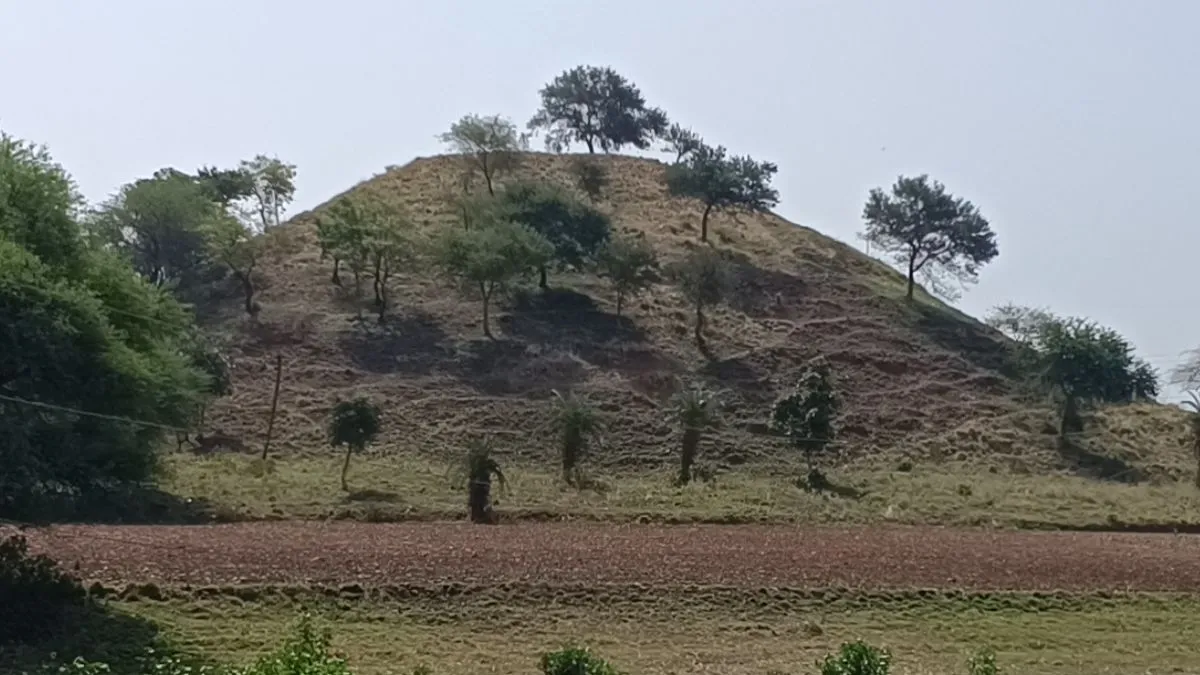
The Madhya Pradesh government is planning an archaeological excavation in Ujjain to uncover the remains of a 2,200-year-old stupa, believed to have been built during the reign of Emperor Ashoka.
About
- The stupa is believed to belong to the Mauryan period, dating to around the 3rd century BCE.
- Initial findings indicate that it may have been nearly three times larger than the Great Stupa at Sanchi.
- The site is located in Ujjain, which was an important centre of trade, religion and culture in ancient India.
- The excavation is expected to reveal more about the structure, construction and history of the stupa.
- The site may also throw light on the spread of Buddhism in central India during the Mauryan period.
Importance
- The excavation could help establish Ujjain’s importance during the Mauryan period.
- It may provide more evidence of Ashoka’s support for Buddhism and the construction of Buddhist monuments.
- The findings could improve our understanding of the growth of Buddhism in central India.
- If confirmed, the stupa could become an important archaeological and heritage site.
- The discovery would further highlight Ujjain’s long history as a centre of religion, trade and culture.
About Sanchi Stupa
- Sanchi Stupa is one of the oldest stone structures in India and an important centre of Buddhist heritage.
- It is located in Madhya Pradesh, about 50 km from Bhopal.
- The original stupa was built in the 3rd century BCE by Mauryan Emperor Ashoka after his association with Buddhism.
- Over the centuries, rulers including the Satavahanas, Kushanas and Guptas added stone railings, gateways and other structures to the complex.
- The famous four toranas (gateways) are decorated with detailed carvings showing scenes from the life of Buddha and Jataka stories.
- The carvings often represent Buddha through symbols such as the Bodhi tree, Dharma Chakra, throne and footprints.
- The complex also has the Ashoka Pillar, made of finely polished sandstone and featuring a four-lion capital.
- Sanchi has three major stupas, along with temples, monasteries and other ancient structures.
- The site was rediscovered and excavated by archaeologists in the 19th century and later restored.
- Sanchi was declared a UNESCO World Heritage Site in 1989 for its outstanding Buddhist architecture and historical significance.