Why in News?
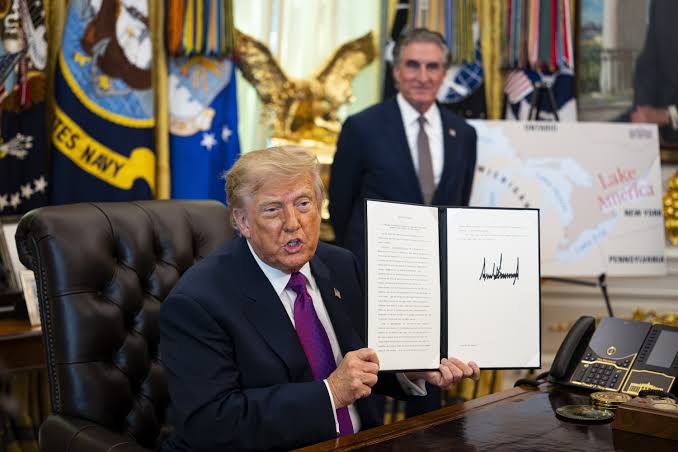
US President Donald Trump has signed an executive order seeking to rename Lake Ontario as Lake America. The move comes amid growing tensions between the United States and Canada, following the collapse of recent trade talks and the imposition of new tariffs by the US.
What Has Happened?
- Trump signed the executive order on Thursday, directing the US Department of the Interior to update the name in the Geographic Names Information System (GNIS), the official database of geographic names used by the US government. The department has been given 30 days to make the required changes.
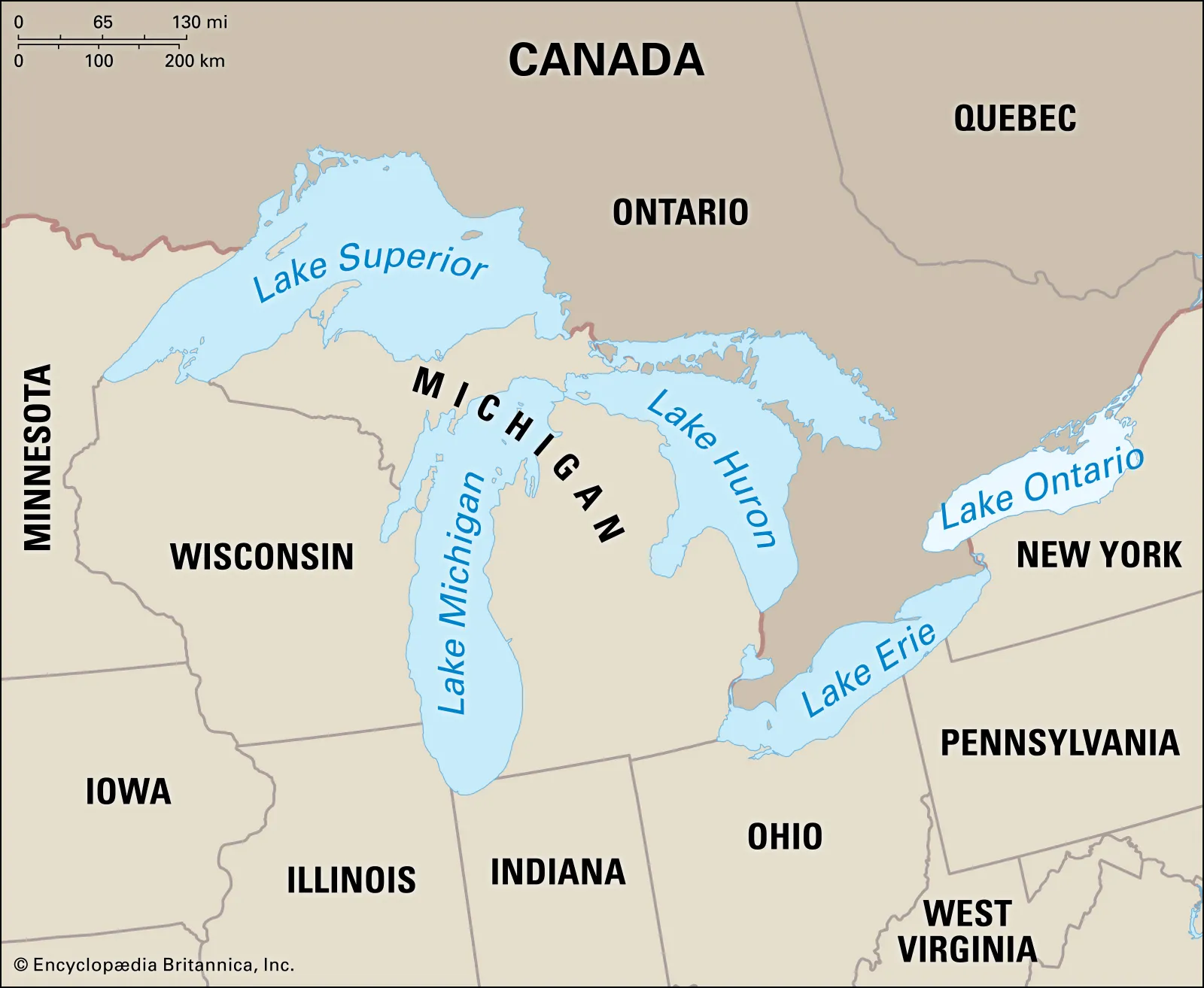
- However, the renaming does not automatically change the name internationally. Lake Ontario is a shared lake, with the Canadian province of Ontario on one side and the US state of New York on the other.
- The proposed name change applies to how the lake is officially recognised by the US government. However, Canada has rejected the move and continues to refer to it as Lake Ontario.
Canada Rejects the Name Change
- Canadian Prime Minister Mark Carney rejected Trump's decision and said the lake would continue to be called Lake Ontario in Canada.
- Canadian officials also pointed out that the name has been in use for more than 400 years, dating back to a period before both the Canadian Confederation and the independence of the United States.
- Ontario Premier Doug Ford also said that Canadians would continue to call it Lake Ontario.
Lake Ontario: Important Facts
- Lake Ontario is the smallest of the five Great Lakes of North America.
- It lies between Ontario (Canada) and New York (USA).
- It is connected to Lake Erie through the Niagara River.
- The lake eventually drains into the Atlantic Ocean through the St. Lawrence River.
- It is one of the five Great Lakes: Superior, Michigan, Huron, Erie and Ontario.
- The names of several Great Lakes, including Ontario, are linked to Indigenous languages and history.