
Why in News?
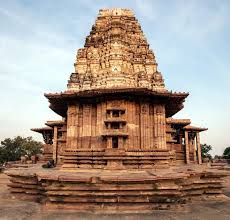
The Gollala Gudi Temple in Palampet village of Mulugu district, Telangana, dating to the Kakatiya period, has been declared a “Monument of National Importance” by the Archaeological Survey of India (ASI).
The temple is located south-west of the UNESCO World Heritage Site of Kakatiya Rudreshwara Temple, popularly known as the Ramappa Temple, also situated at Palampet.
About Gollala Gudi Temple
Gollala Gudi is a Trikutalaya, meaning a temple with three sanctums (garbhagrihas). Its major architectural features include:
- An east-facing mandapa, or pillared hall.
- Three sanctums, with the central sanctum housing a Shiva Lingam.
- A high plinth decorated with animal figures and floral motifs.
- Sculptures adorning the parapet.
- Carved hamsas and jali (latticework) on the entablature and doorways.
- Detached shrines in front of the main temple, featuring sculptures of dvarapalas (door guardians).
- Niches on the temple walls containing images of Vishnu, Lakshmi, Ganesha and Mahishasuramardini.
The temple's architectural style reflects the distinctive artistic traditions that developed under the Kakatiya dynasty.
What is a Monument of National Importance?
- A monument or archaeological site can be declared a Monument of National Importance under the Ancient Monuments and Archaeological Sites and Remains Act, 1958 (AMASR Act).
- The Archaeological Survey of India (ASI) is responsible for the protection, preservation and maintenance of centrally protected monuments and archaeological sites.
- Such monuments receive protection against activities that could damage or alter their historical and architectural character.